Mountain landscape
A Spiritual, Cultural, and Community Landmark in Solukhumbu

PALYUL PEMA TSOKEY LING

A long-term spiritual and cultural master plan envisioned for Salleri, Solukhumbu — bringing together sacred monumentality, contemplative space, Buddhist learning, and meaningful community value in one enduring destination.

Project Overview
108 ft.
Guru Rinpoche statue
22,850 sq. m.
Planned site area in Salleri
15–20 years
Long-term master plan horizon
Community + Pilgrimage
Spiritual, public, and regional value

About the Project

Introduction and Background

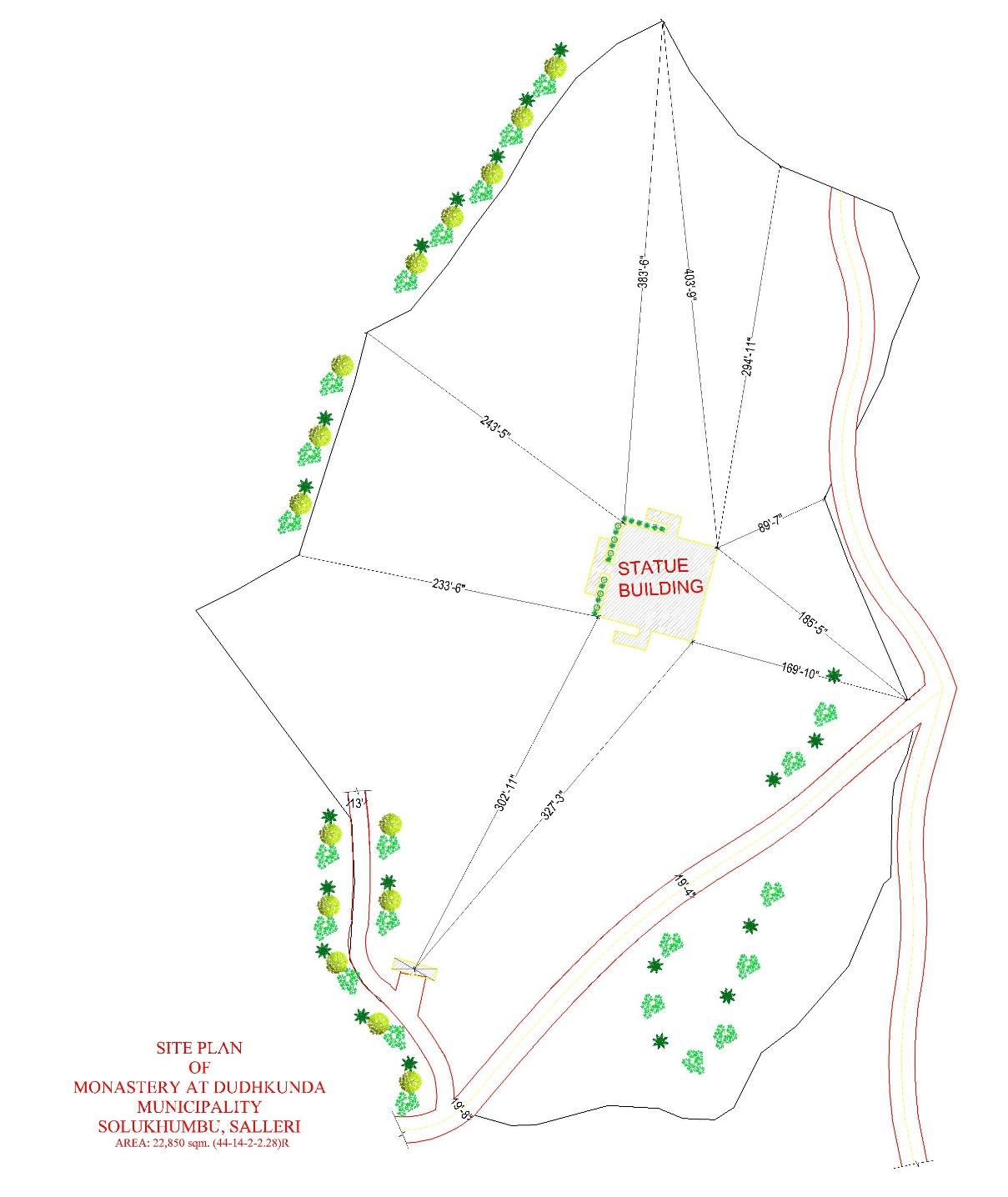
Palyul Pema Tsokey Ling is non-profit organization registered in Company Registered Office, Tripureswor and Social Welfare Council, Lalitpur. It has a Master Plan of PALYUL PEMA TSOKEY LING, Solududhkunda Municipality-5, Sallery, Solukhumbu, Nepal. In the Preliminary Design Phase following components have been designed in 22,850 sq.m. (44-14- 2-2.28) (R-A-P-D) area of organization land.

  • Guru Rinpoche statue with community hall.
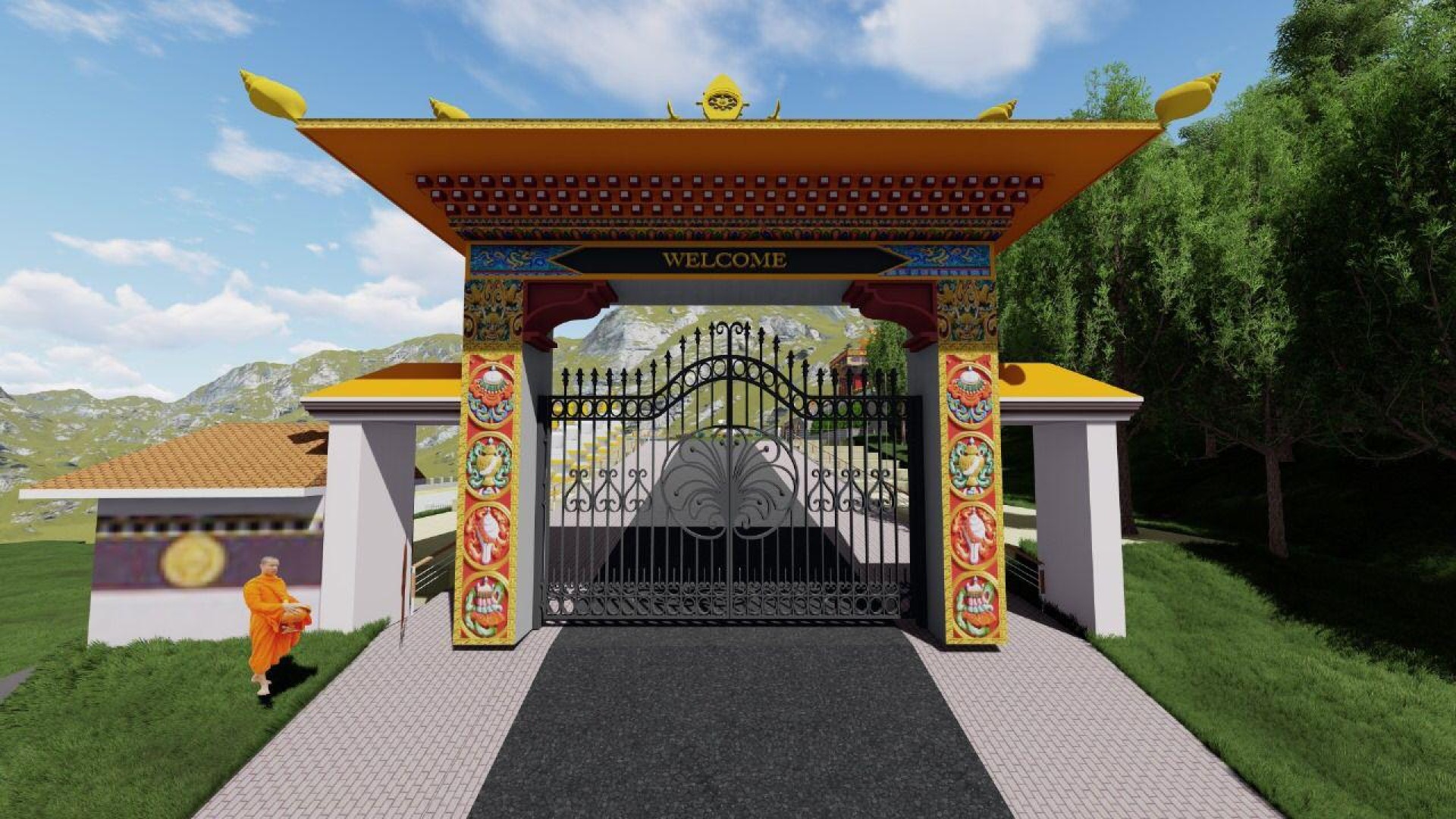
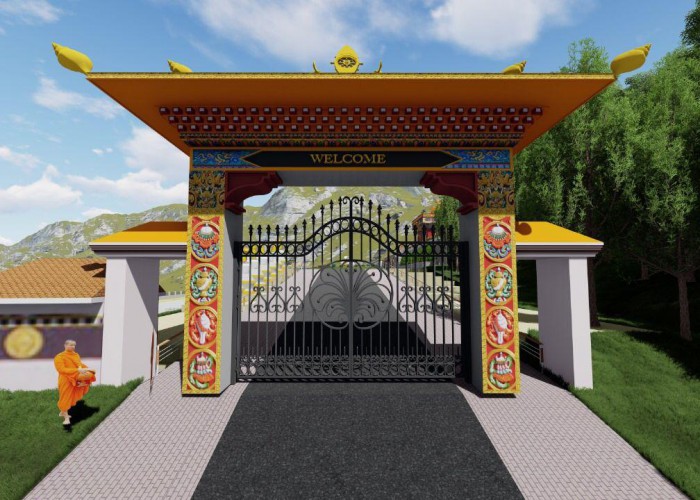
  • Entrance Gate
  • Parking area
  • Garden

Additional components in the site for future provision:

  • Academic Block with Class Rooms
  • Kitchen and Dining Block
  • Hostel Block
  • Pilgrims residence blocks
Meditation

A contemplative destination rooted in peace, presence, and spiritual reflection.

Teaching

A hall for Buddhist instruction, seminars, and intergenerational learning.

Festivals

A dignified setting for gatherings, rituals, celebrations, and sacred events.

Community Use

A public-facing site with value for local people, visitors, and institutions.
Project Description / Methodology

A sacred monument envisioned as a source of devotion, merit, contemplation, and shared spiritual benefit.

Constructing a statue of Guru Rinpoche (Mahaguru Padmasambhava) is traditionally believed to bring immense benefit — including peace, happiness, liberation, freedom, and the creation of conditions that support enlightenment and the flourishing of the teachings.

Such sacred statues are regarded as powerful symbols of enlightened wisdom and compassion. They inspire practitioners to awaken their own Buddha-nature, while contact with holy objects is understood to purify negative karma and generate extensive merit for all who encounter them.

In this way, the statue serves not only as a monument, but as a focal point for devotion, meditation, spiritual reflection, and the cultivation of both temporary and ultimate happiness for sentient beings.

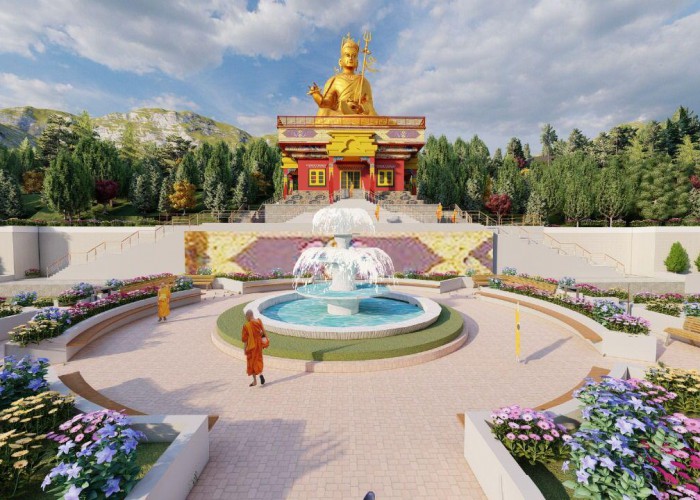
At the heart of the project stands the grand Guru Rinpoche statue, designed with reverence and precision, symbolizing sacred presence, spiritual unity, and cosmic balance. Guru Rinpoche, also known as Padmasambhava — the Lotus-Born — is among the most revered figures in Vajrayana Buddhism and embodies profound dimensions of spiritual practice and enlightenment.

The monument is oriented toward the finest views of the mountains and village, strengthening the relationship between the divine, the natural landscape, and the everyday life of the region. The project also emphasizes inclusive and contemplative spaces that welcome both pilgrims and the broader public.

The integration of landscape and built form is therefore central to the methodology of the project, fostering harmony between sacred architecture and its Himalayan surroundings.

Peace and Happiness

A sacred presence intended to support harmony, wellbeing, and spiritual upliftment.

Merit and Purification

Contact with holy objects is traditionally believed to purify negative karma and generate merit.

Devotion and Practice

The monument becomes a focal point for prayer, meditation, reflection, and spiritual discipline.

Landscape Harmony

The design connects the sacred form with mountain views, village life, and the surrounding land.

Project Scope

A wider spiritual, pilgrimage, and community framework extending beyond the monument itself.

Upon completion of this master plan, the project holds the potential to strengthen and connect a broader Buddhist pilgrimage circuit in the region — linking the 108 ft. Guru Rinpoche Statue, Buddha’s relics in Tekchhen Pema Chholing Monastery, peripheral monasteries, and Halesi Cave.

The wider spiritual and tourism landscape may also incorporate the trekking route to Dudhkunda Lake — a sacred destination for Hindus, Buddhists, and Kirants — together with important viewpoints such as Pattale Dada, Ratnage Dada, and Pike Danda.

Located at the center of Solududhkunda Municipality-5 in Solukhumbu district, PALYUL PEMA TSOKEY LING is also envisioned as a major community resource. As there is no other hall and facility of this scale in the area, the project will support local people in organizing celebrations, Buddhist festivals, seminars, trainings, teachings, and meditation programs.

Pilgrimage Circuit

Connect the Guru Rinpoche statue with monasteries, sacred relics, and regional spiritual destinations.

Sacred Trekking Context

Integrate Dudhkunda Lake and major viewpoints into a broader spiritual and nature-based journey.

Community Facility

Provide much-needed space for celebrations, festivals, seminars, trainings, and shared public use.

Regional Value

Strengthen Solukhumbu’s identity as a destination for spirituality, culture, and contemplative tourism.

Vision

A place of peace, devotion, contemplation, and shared regional meaning.

“To establish a sacred destination where compassion, contemplation, Buddhist pilgrimage, and cultural identity come together — strengthening Solukhumbu as a place of spiritual presence, community gathering, and long-term tourism value.”

The vision brings together spiritual calm, public purpose, architectural dignity, and Himalayan landscape presence — creating a landmark that serves both local community and future generations of pilgrims and visitors.

Goals and Objectives

Five guiding intentions shaping the master plan.

Peace and Spiritual Harmony

Create a place of contemplation, devotion, and sacred presence where visitors and practitioners can gather in peace.

Buddhist Teaching and Culture

Support meditation, teaching, festivals, and transmission of Himalayan Buddhist values and cultural identity.

Community Use and Gatherings

Provide a dignified venue for seminars, public programs, ceremonies, and local engagement.

Pilgrimage Circuit Development

Strengthen Solukhumbu as a meaningful spiritual stop connected to the wider Everest region.

Local Economic Development

Generate long-term value for hospitality, transport, crafts, agriculture, and local enterprise.
Budget and Resource Overview

A transparent summary of the currently estimated basic infrastructure costs.

Component
Estimated Cost
Lotus seat and 58 ft. copper statue
NPR 180,000,000.00
Community, meditation and teaching hall
NPR 75,784,193.02
Compound wall and entrance gate
NPR 43,759,006.31
Estimated basic infrastructure total
NPR 299,543,199.33

Academic, hostel, kitchen/dining, pilgrims’ residence, and stupa costs are excluded from this summary.

Support may come through national, international, and internal donations.

Why This Location Matters

Salleri, Solukhumbu — a gateway landscape with spiritual and regional significance.

The project is located in Salleri, Solukhumbu, an important gateway to the Everest region and a meaningful cultural setting within the wider Himalayan landscape. Its position offers both spiritual symbolism and regional relevance.

As a landmark destination, the site can contribute not only to pilgrimage and contemplation, but also to the broader visibility of Solukhumbu as a place of living culture, sacred identity, and carefully developed tourism potential.

Nearby Context

Everest region access, mountain routes, local settlements, and cultural pathways.

Regional Role

A destination with spiritual, civic, and tourism value for the district and beyond.
Project Facts
Solududhkunda Municipality-5, Salleri, Solukhumbu
22,850 sq. m. land area
108 ft. Guru Rinpoche statue complex
15–20 year master plan horizon

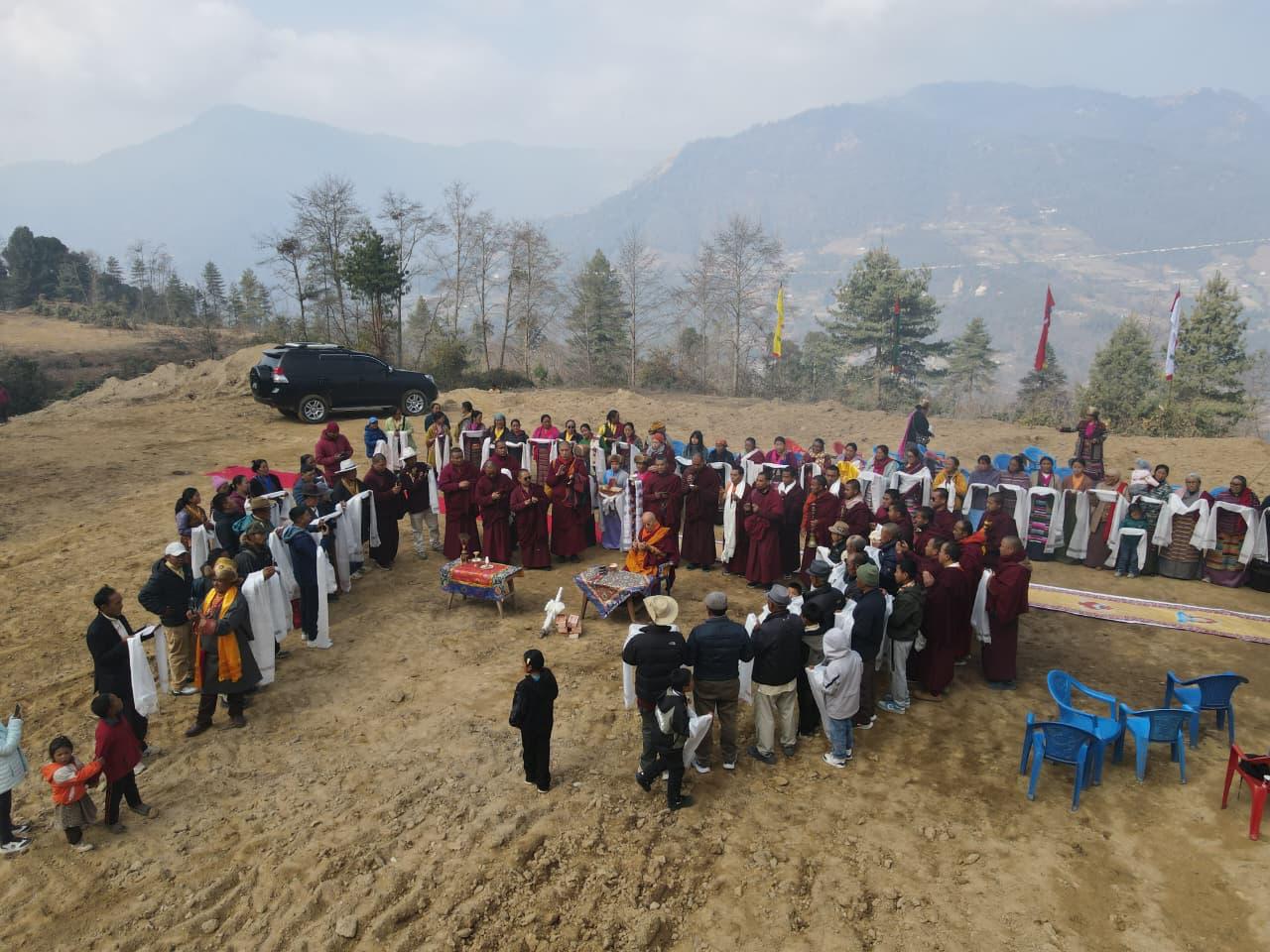
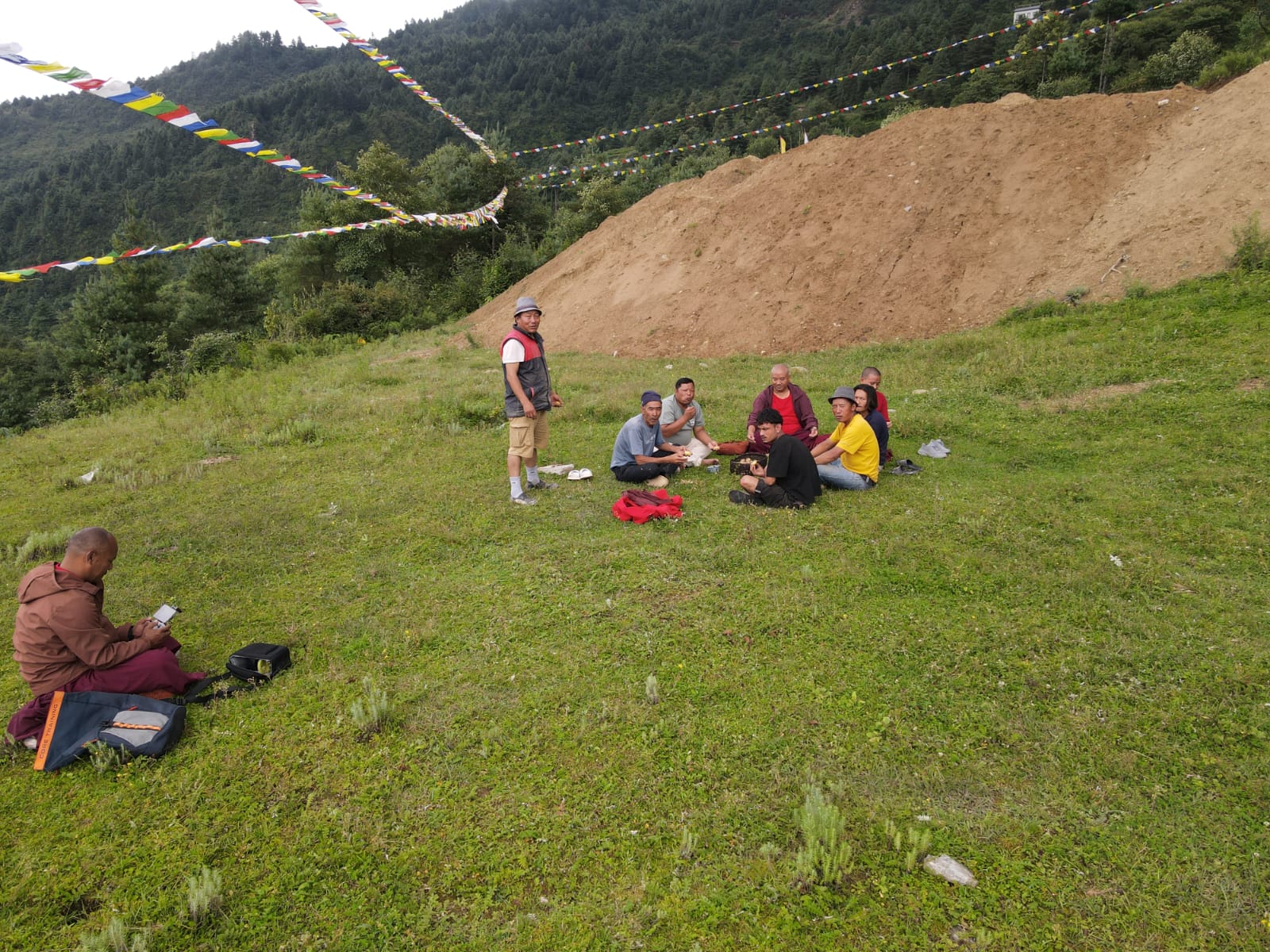
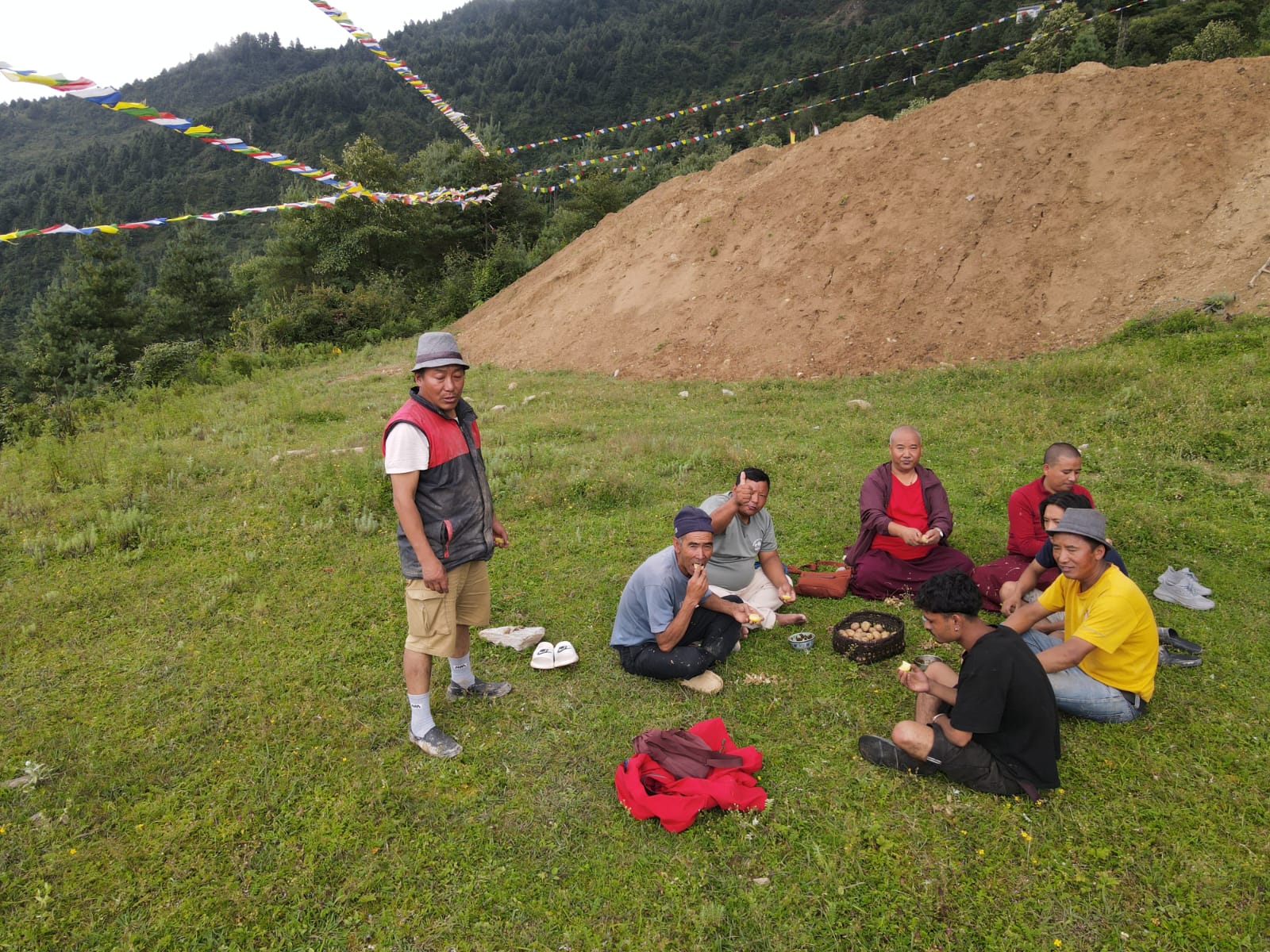
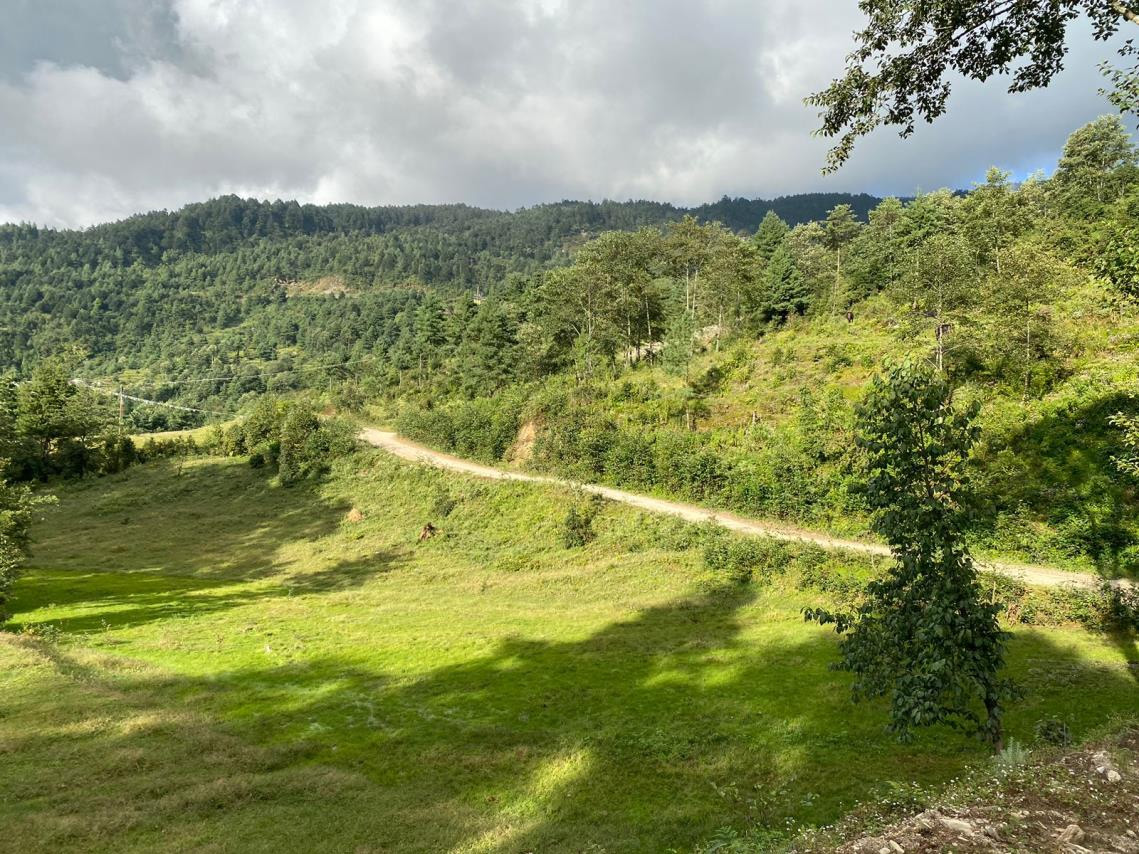
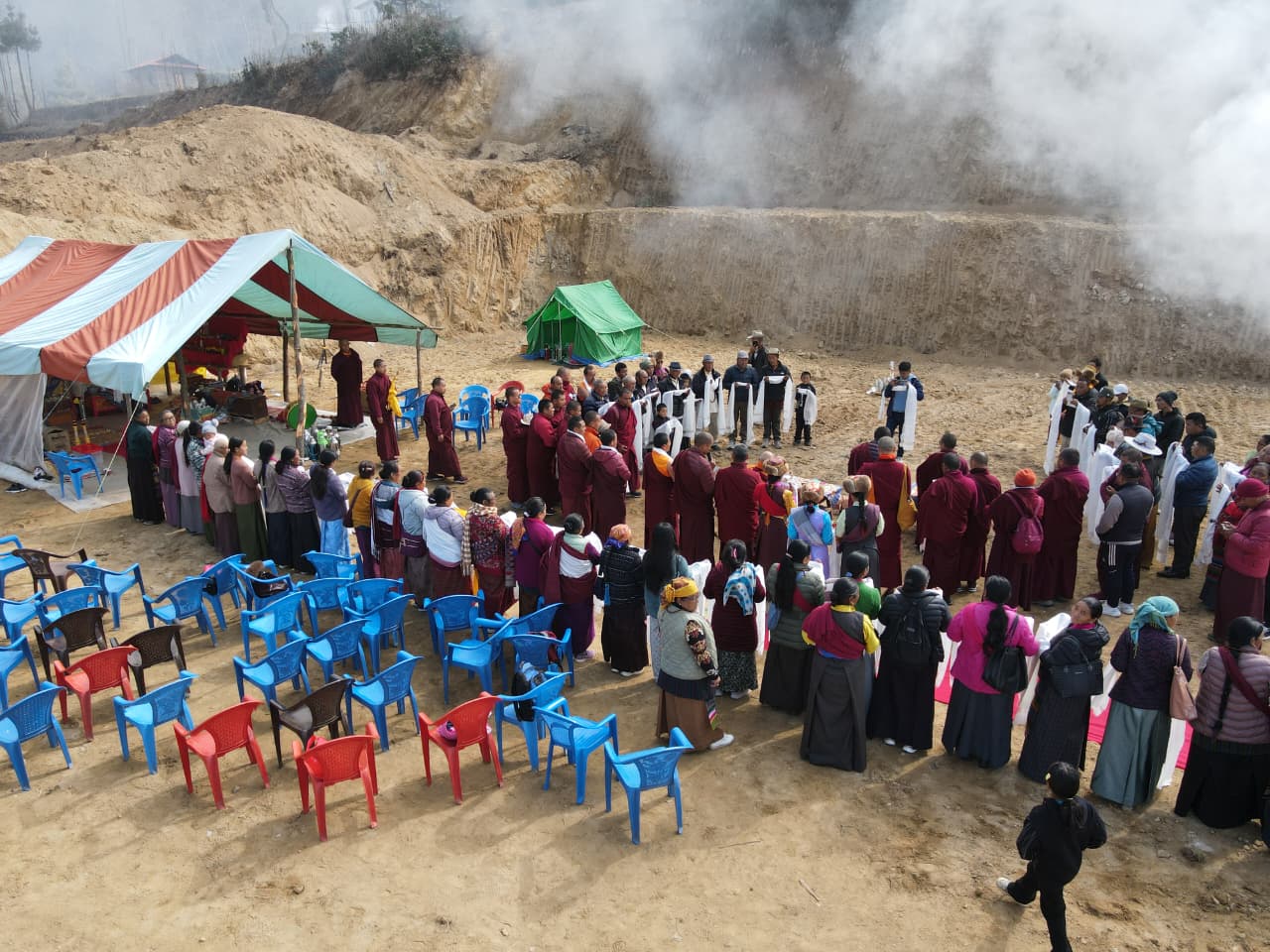
The Site Today

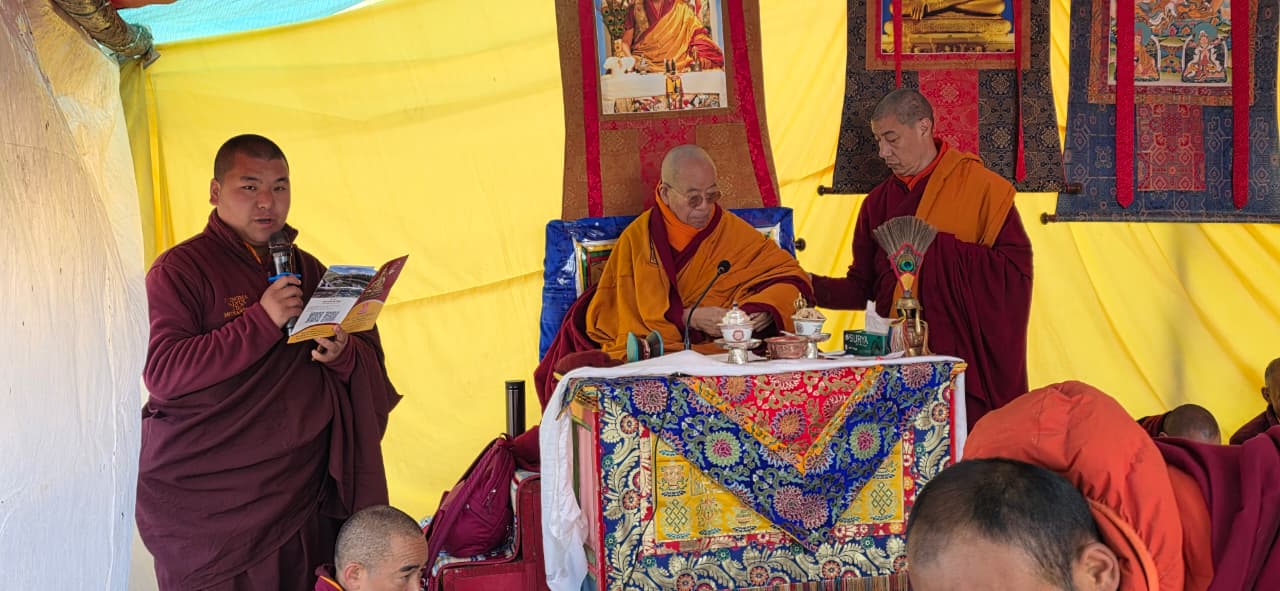
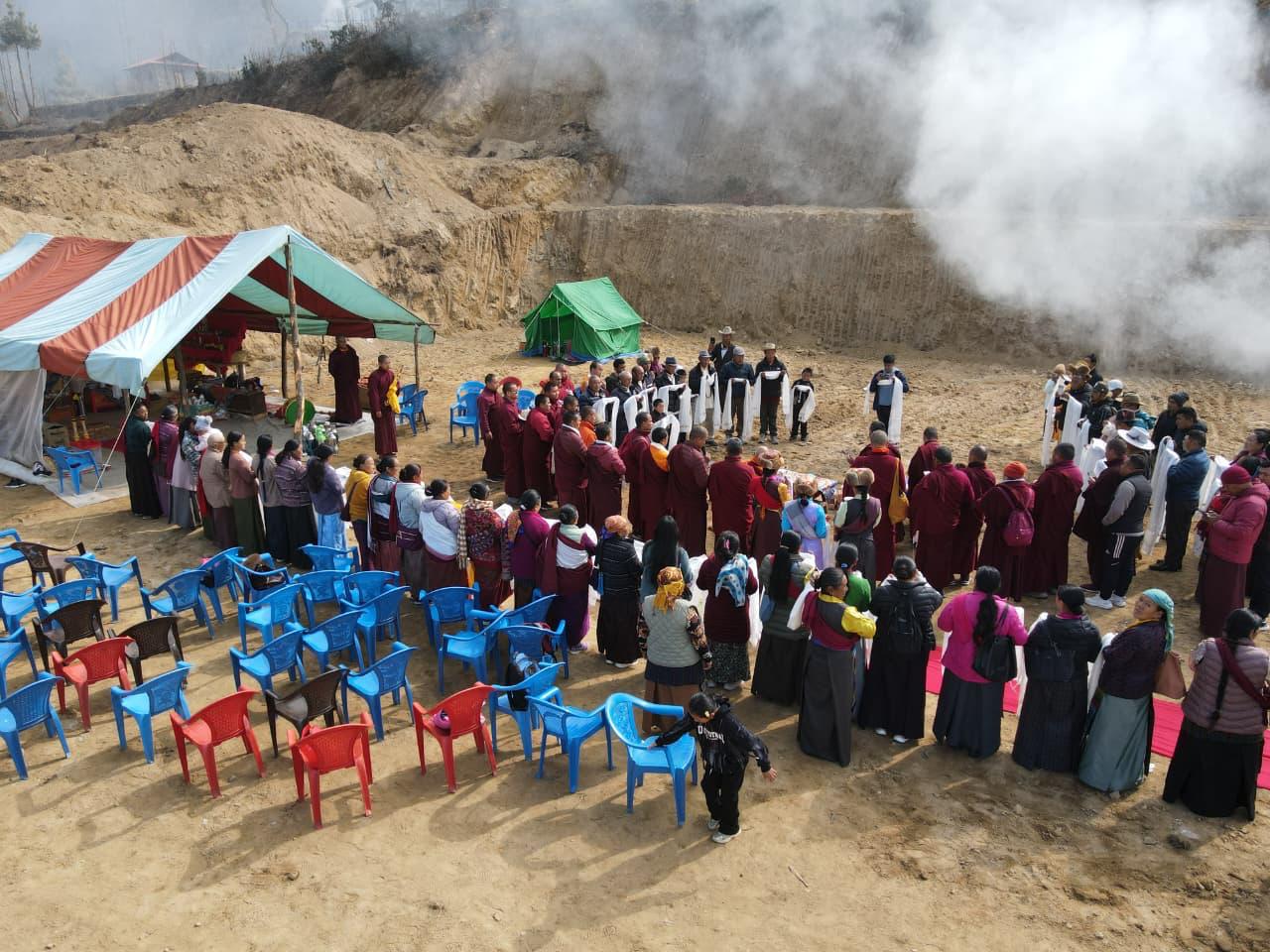
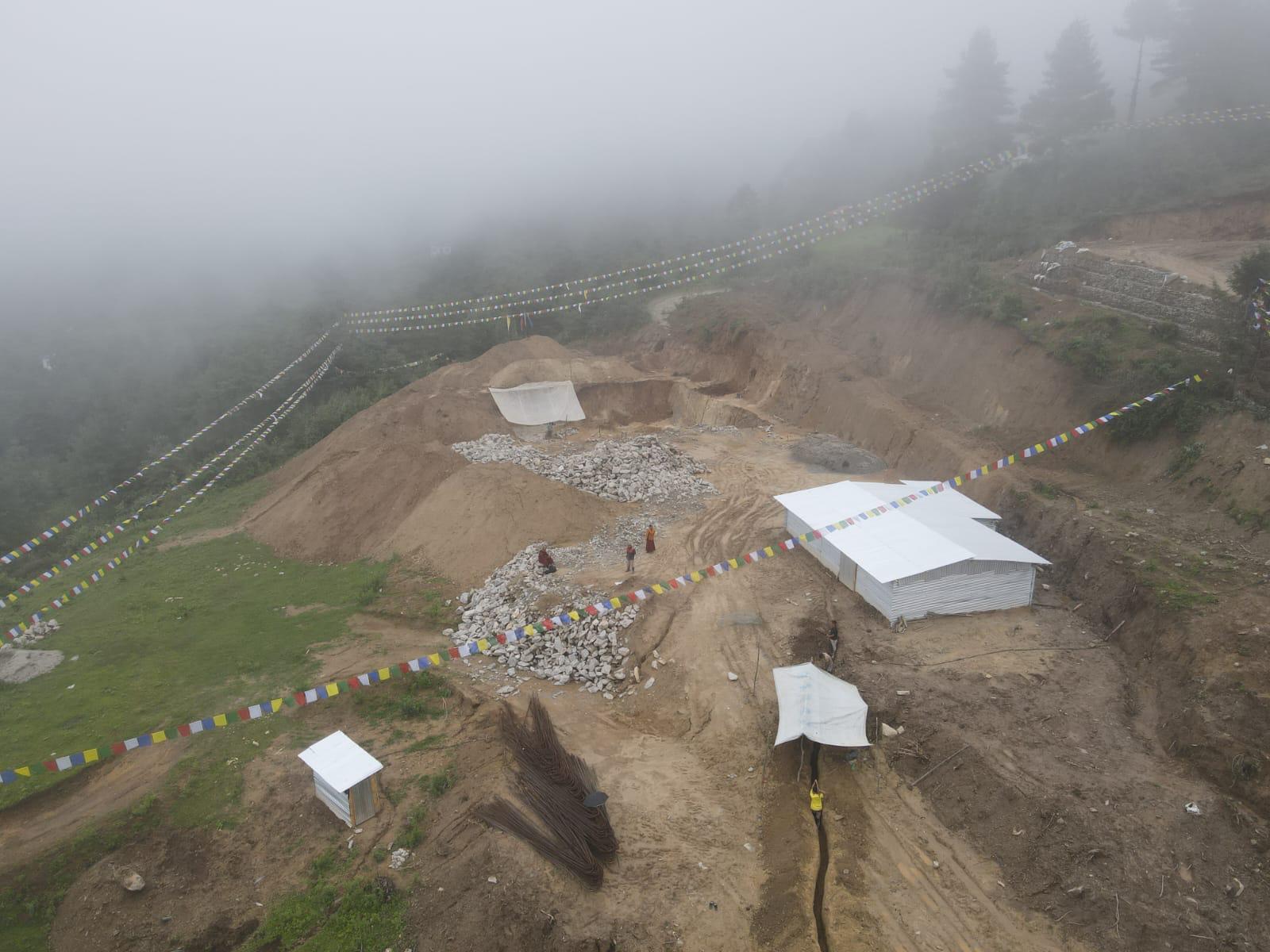
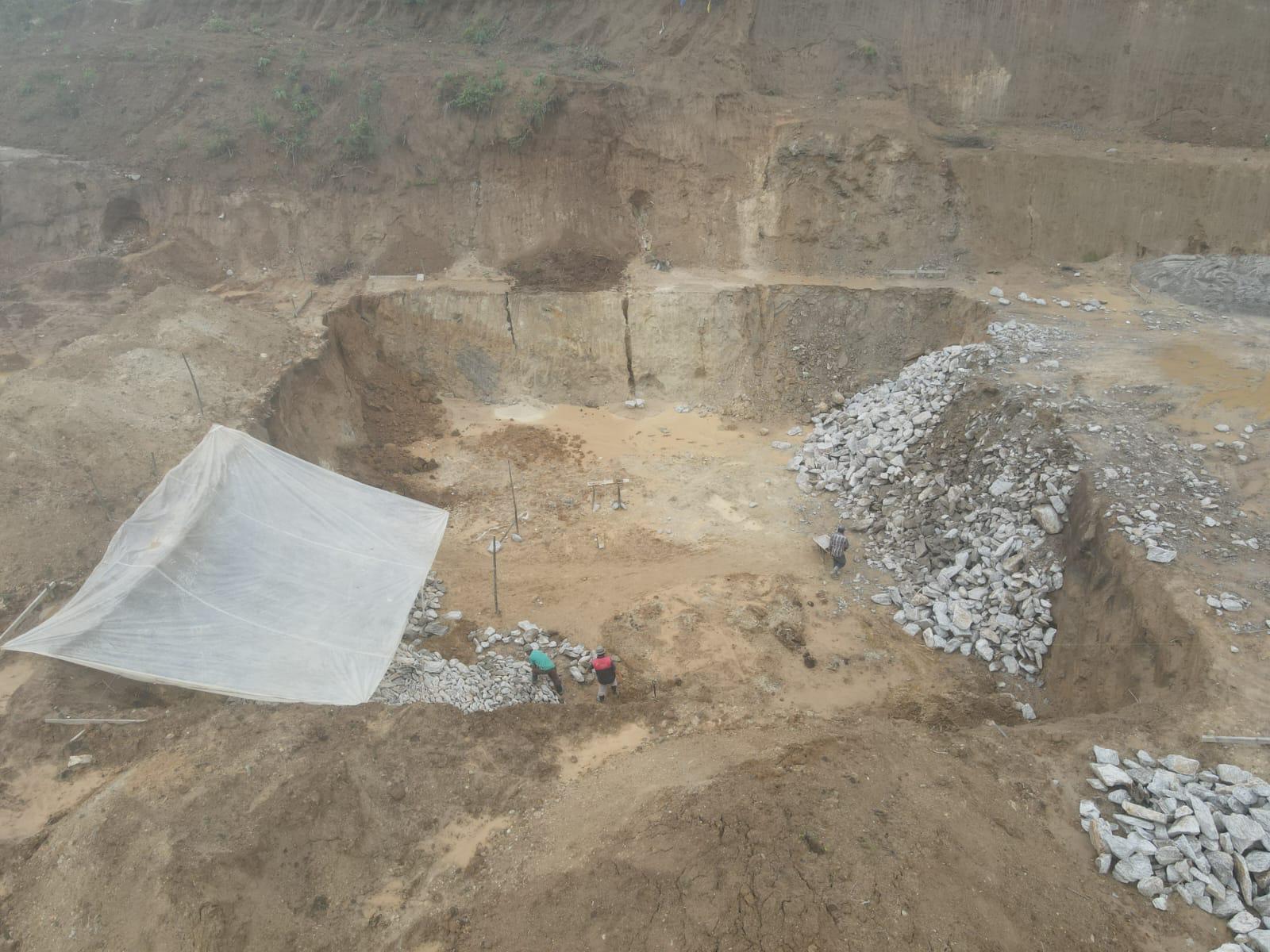
Recent updates regarding the grand project.

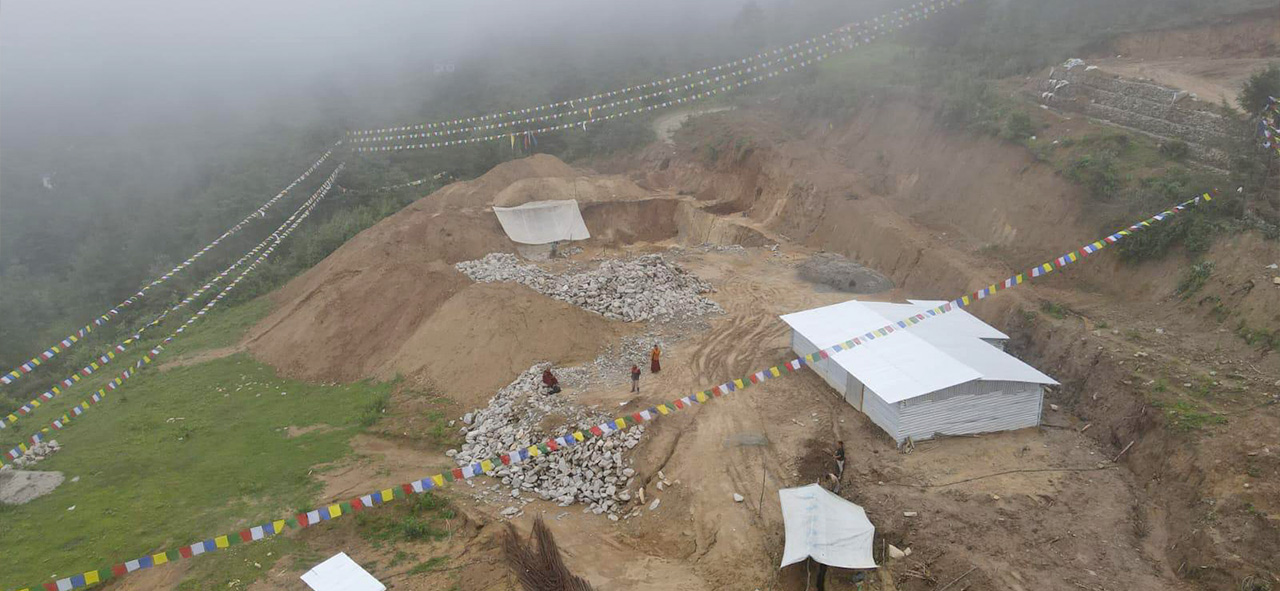
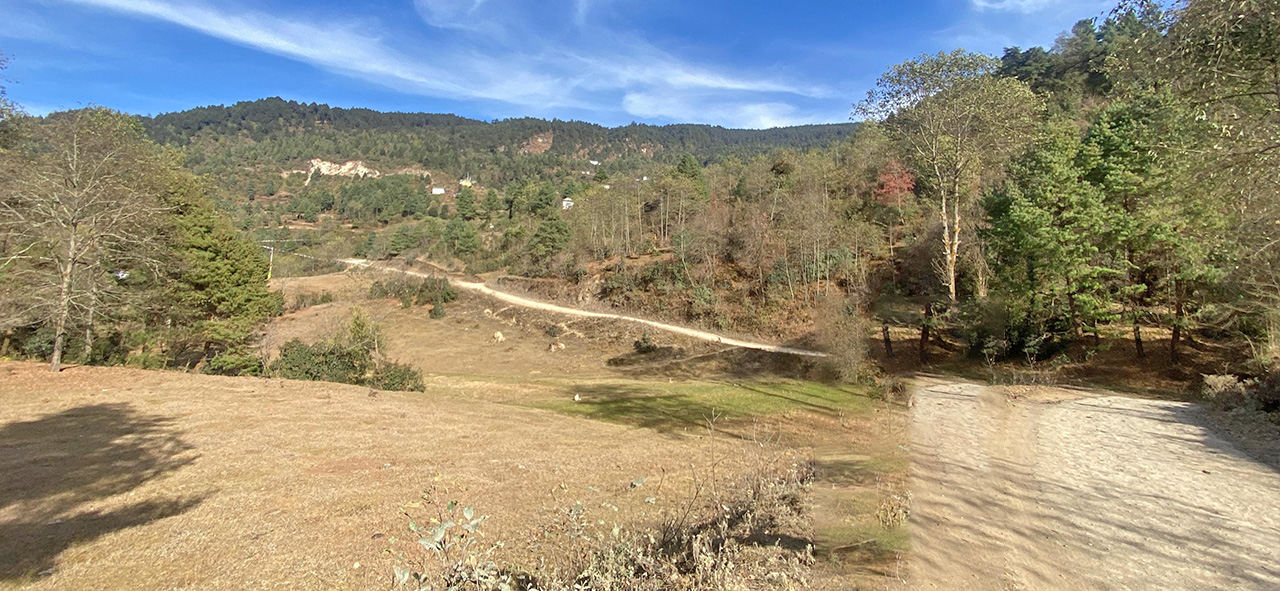
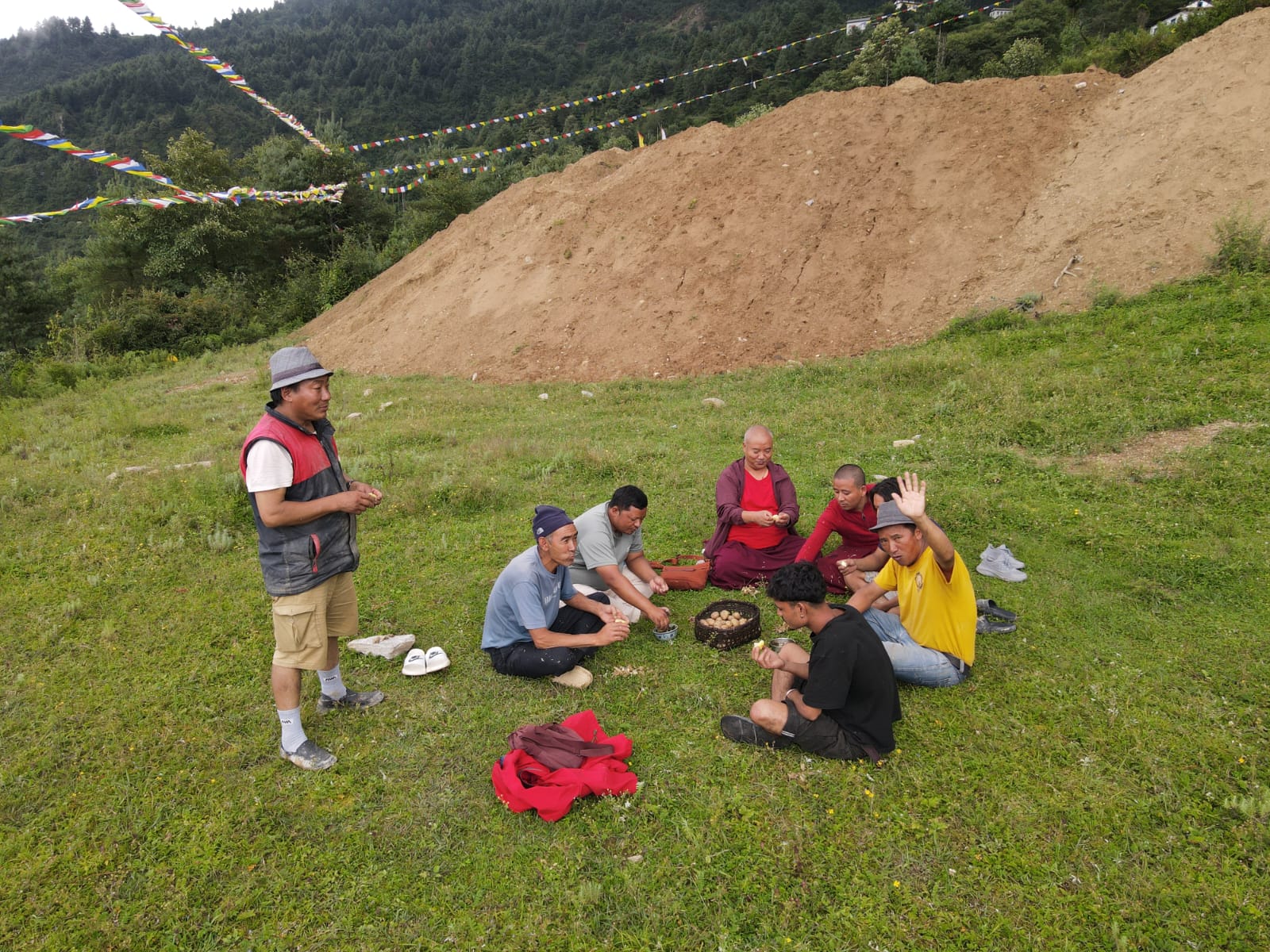
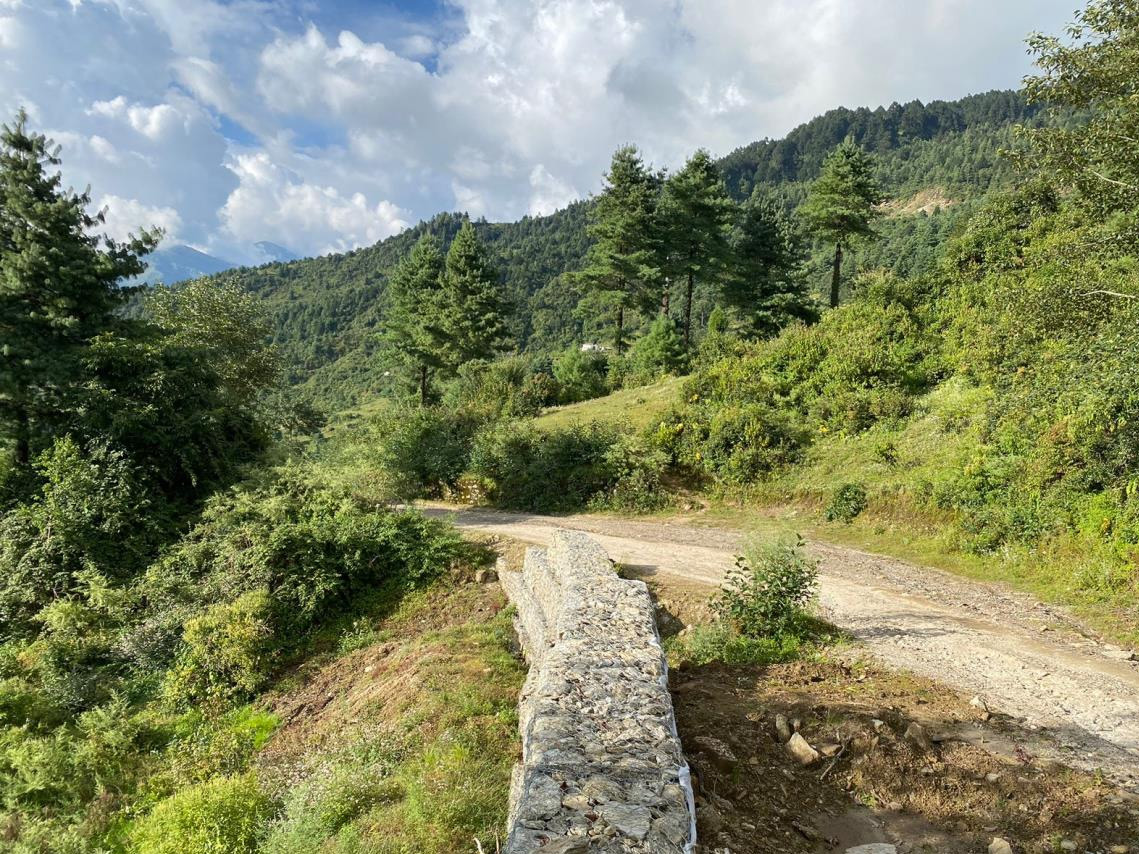
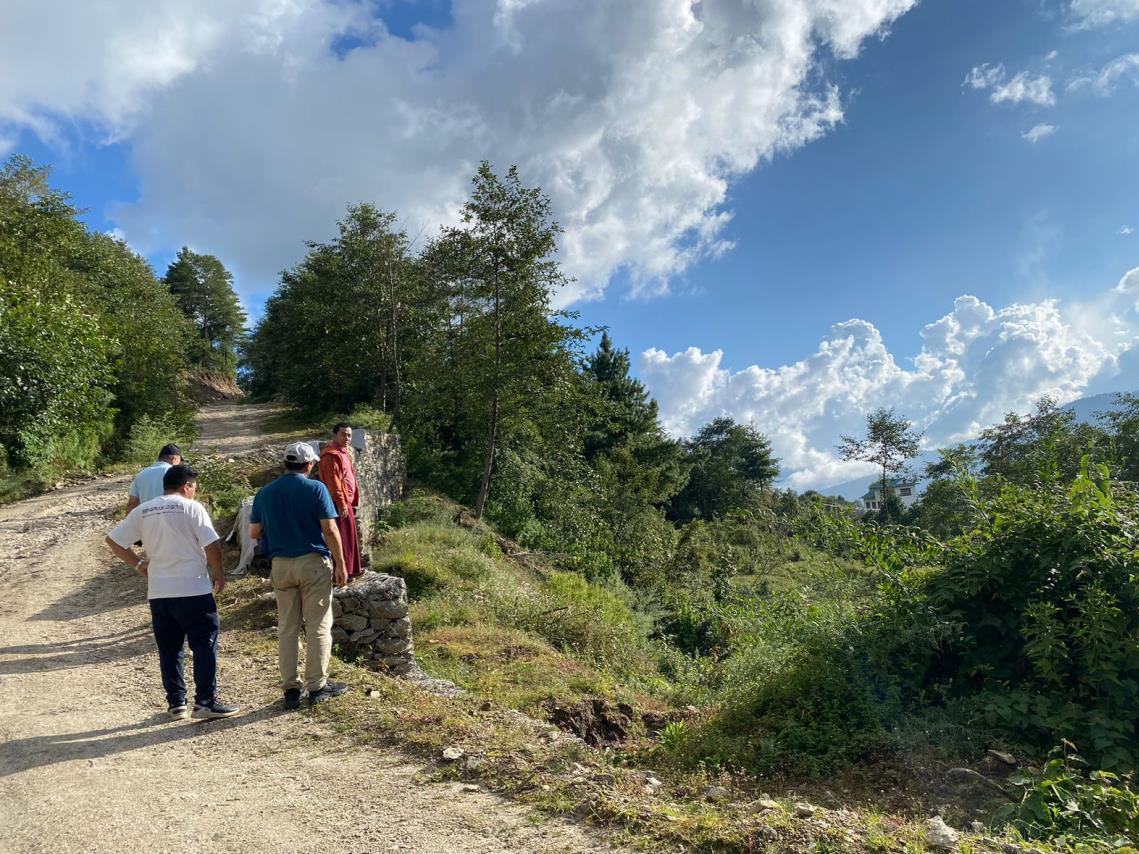
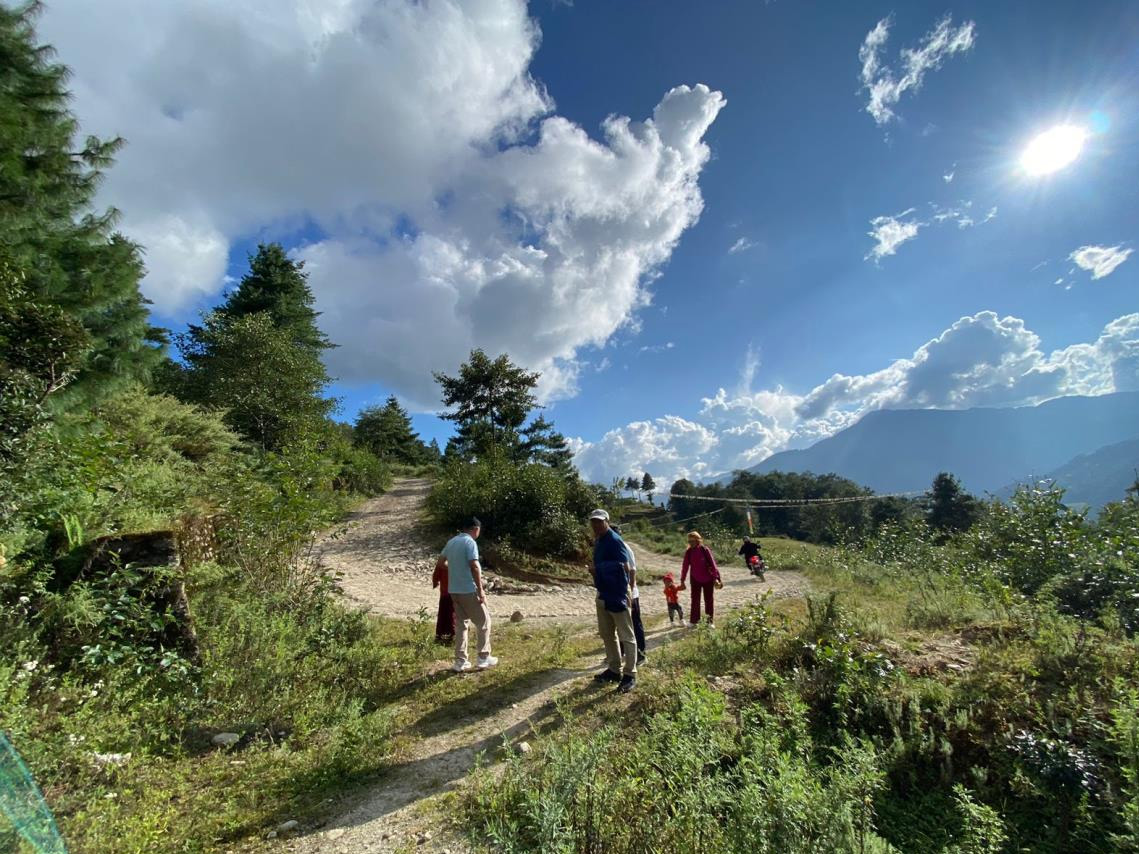
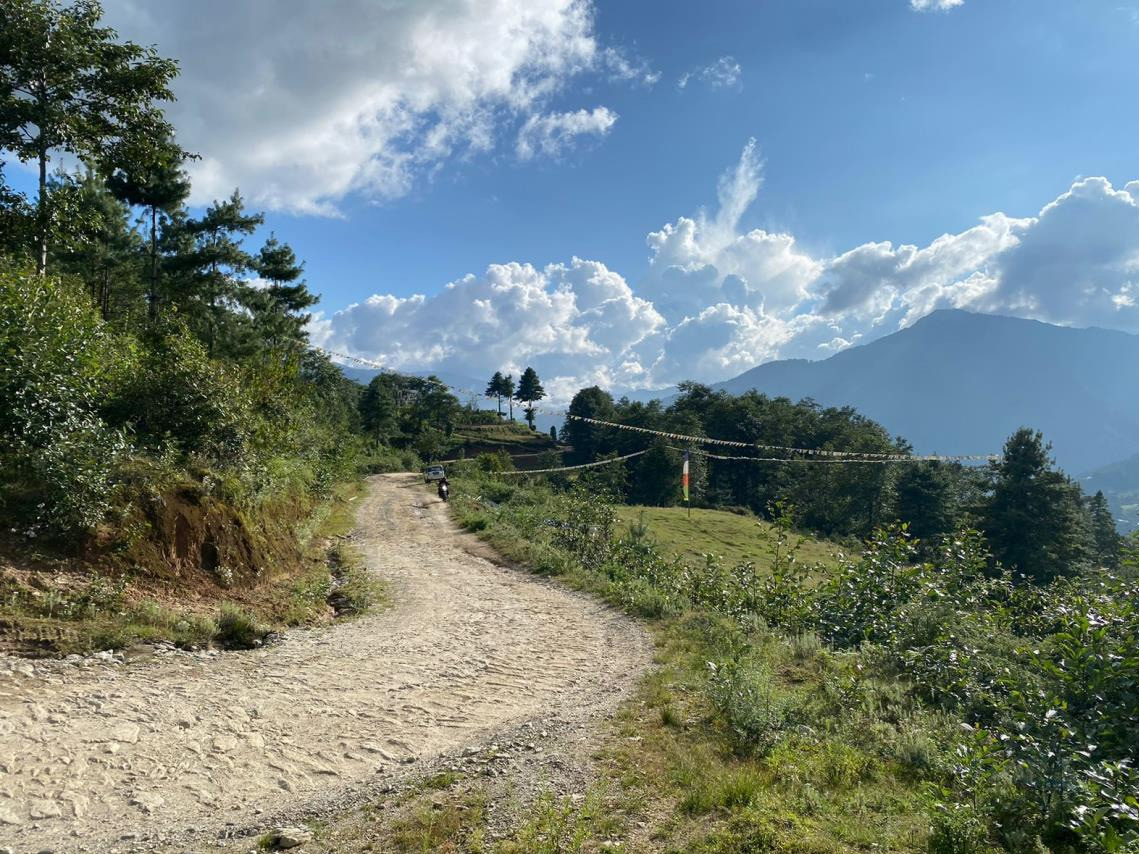
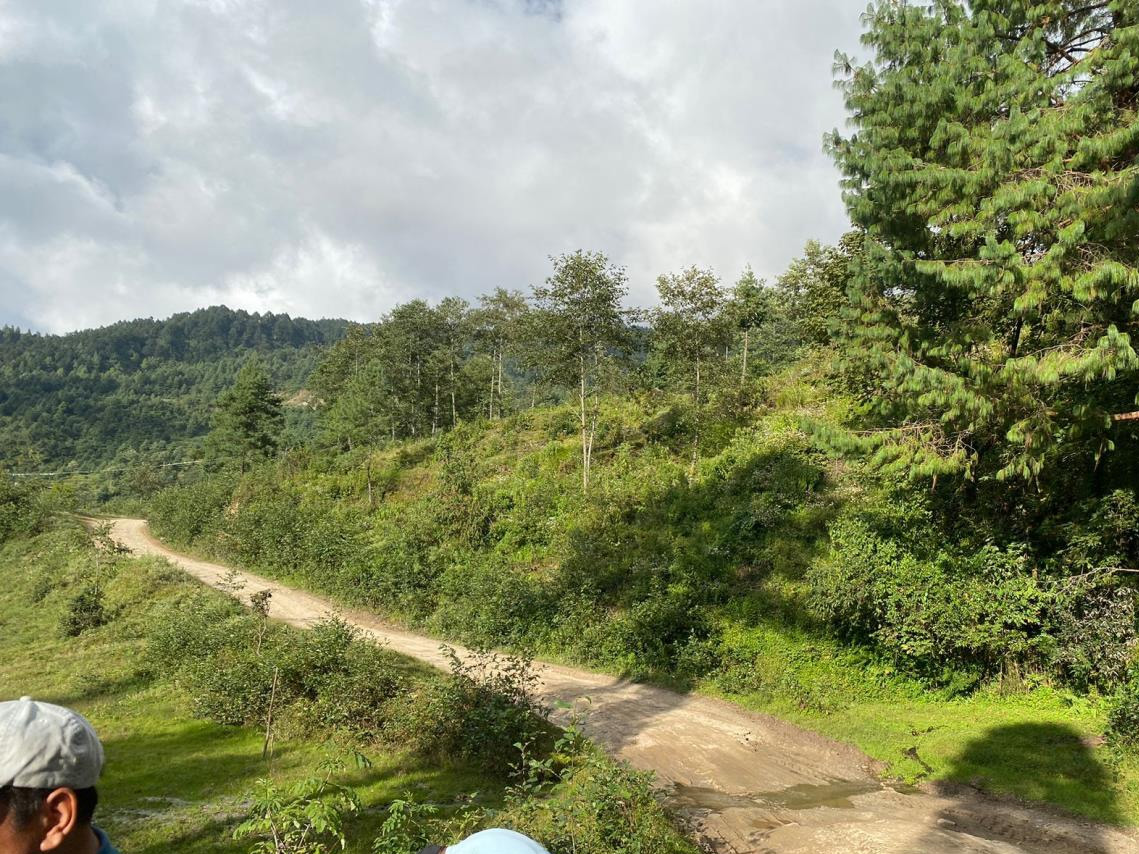
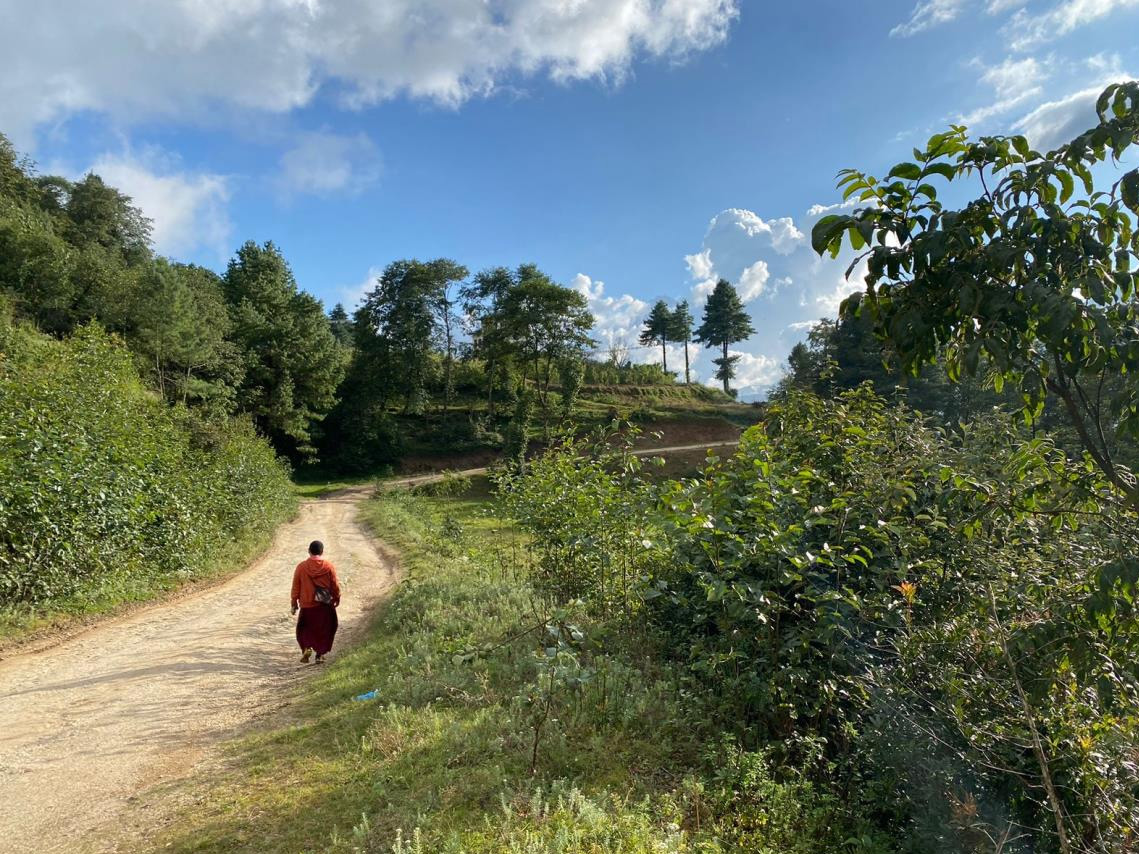
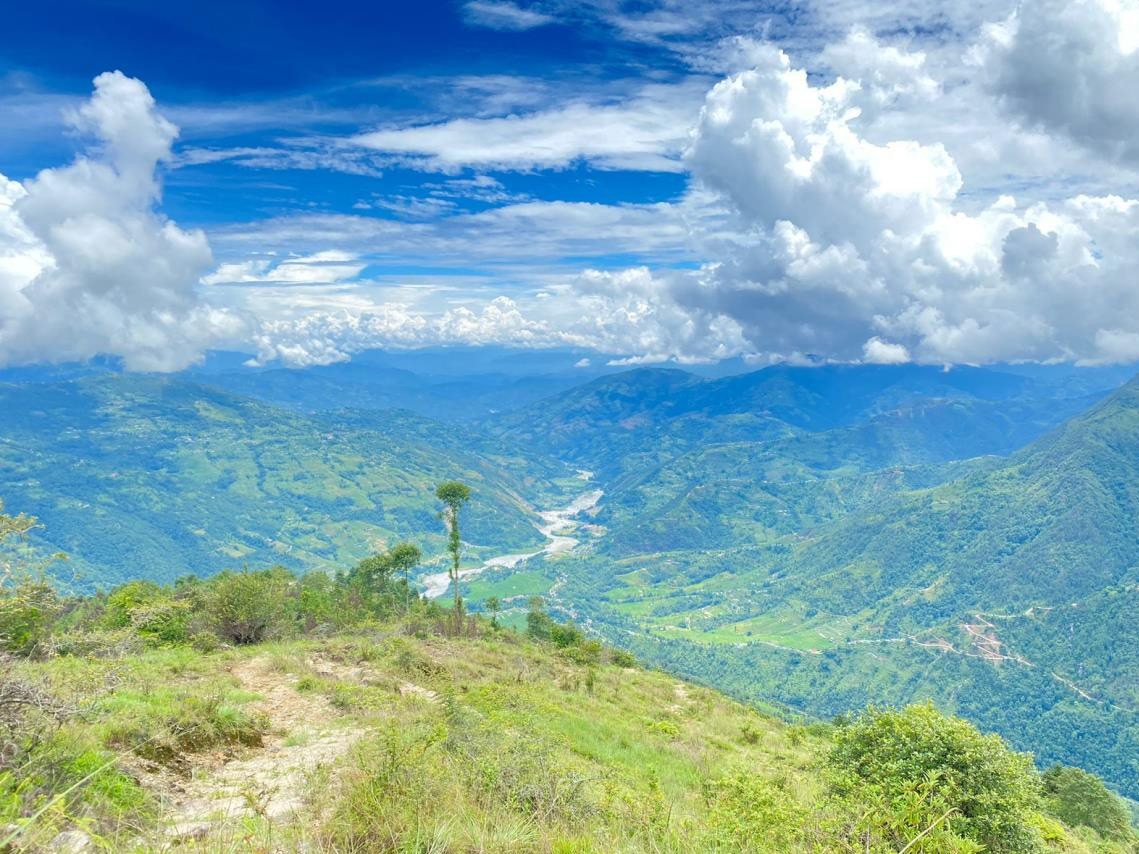
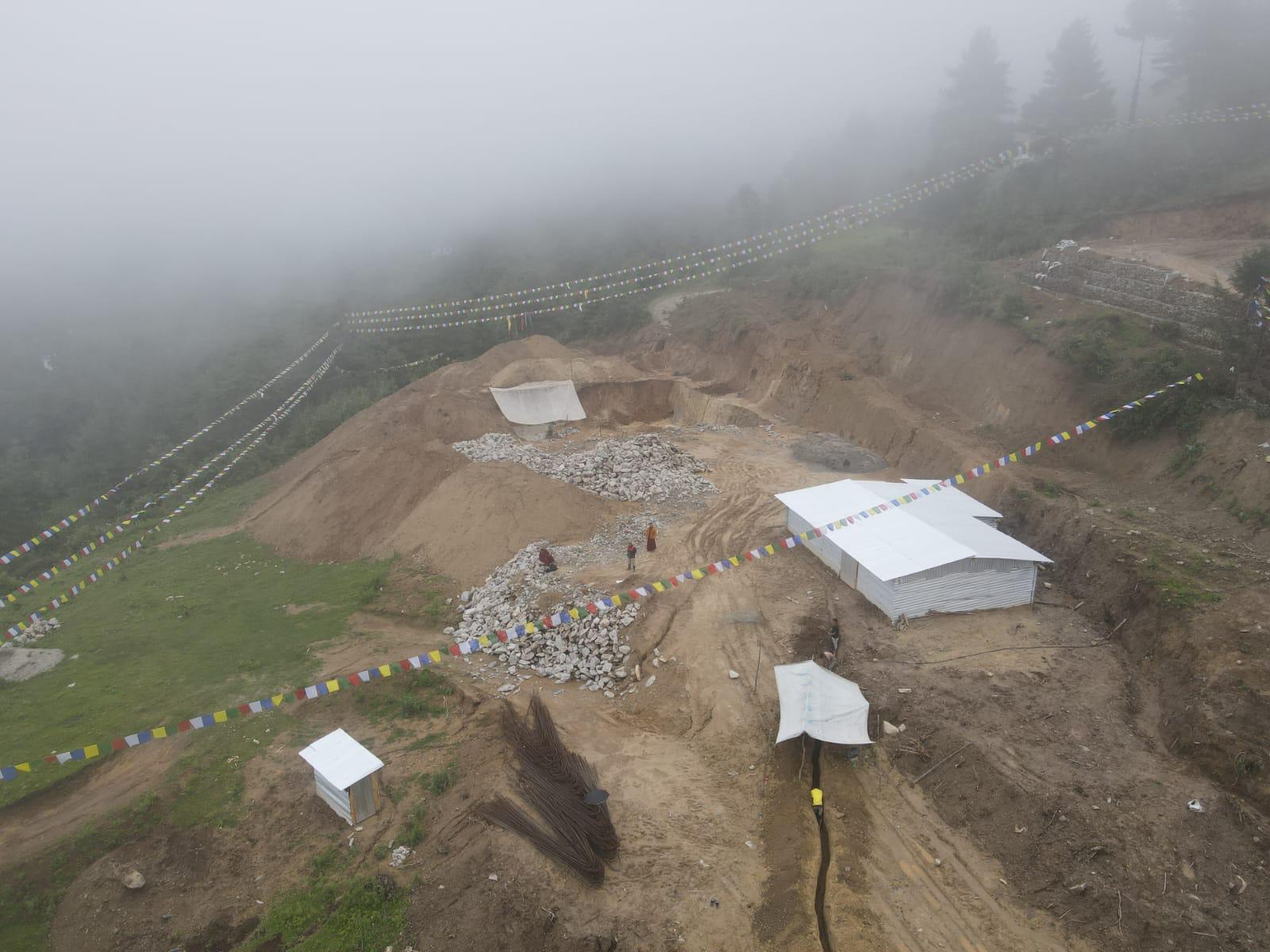
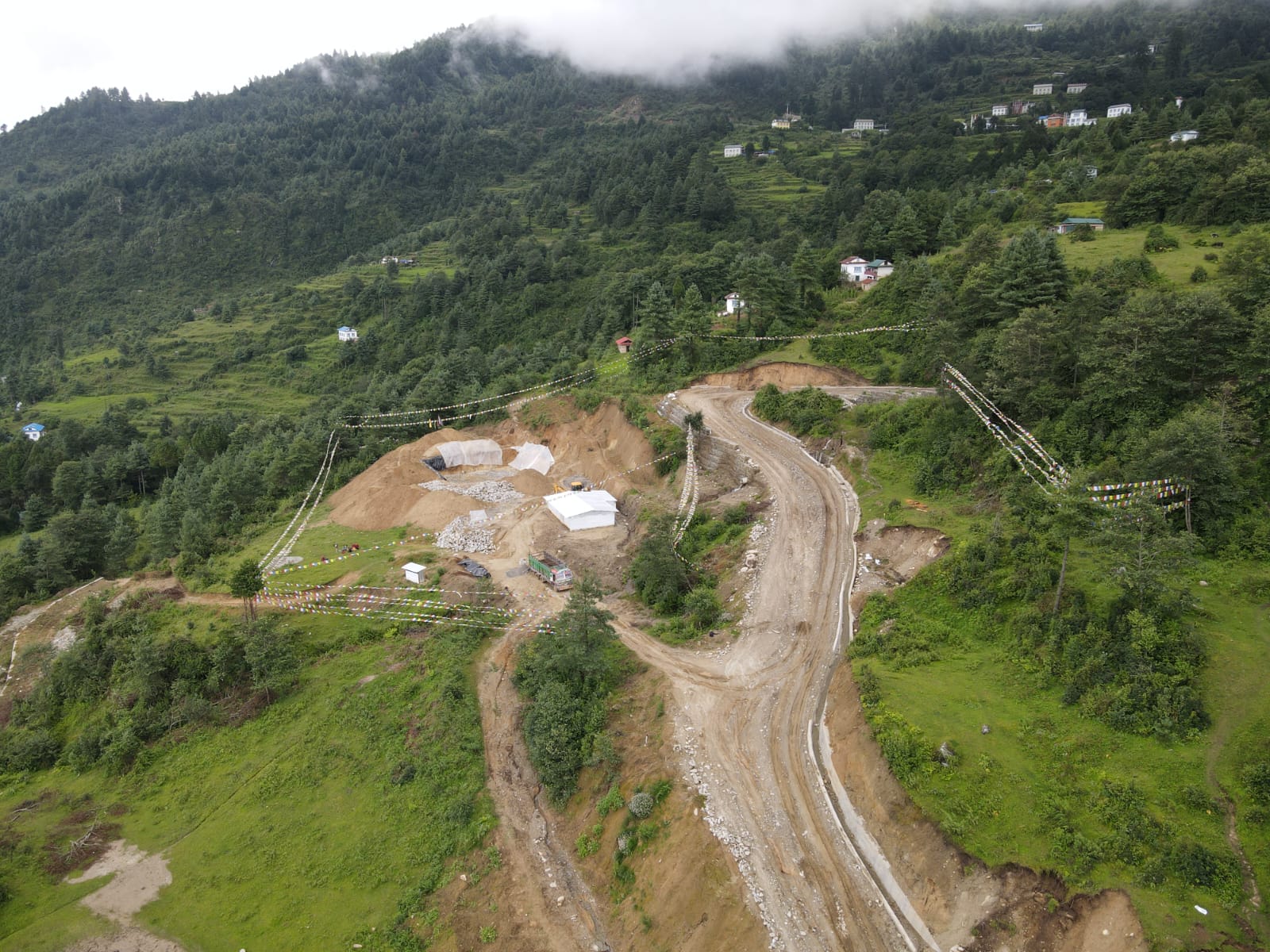
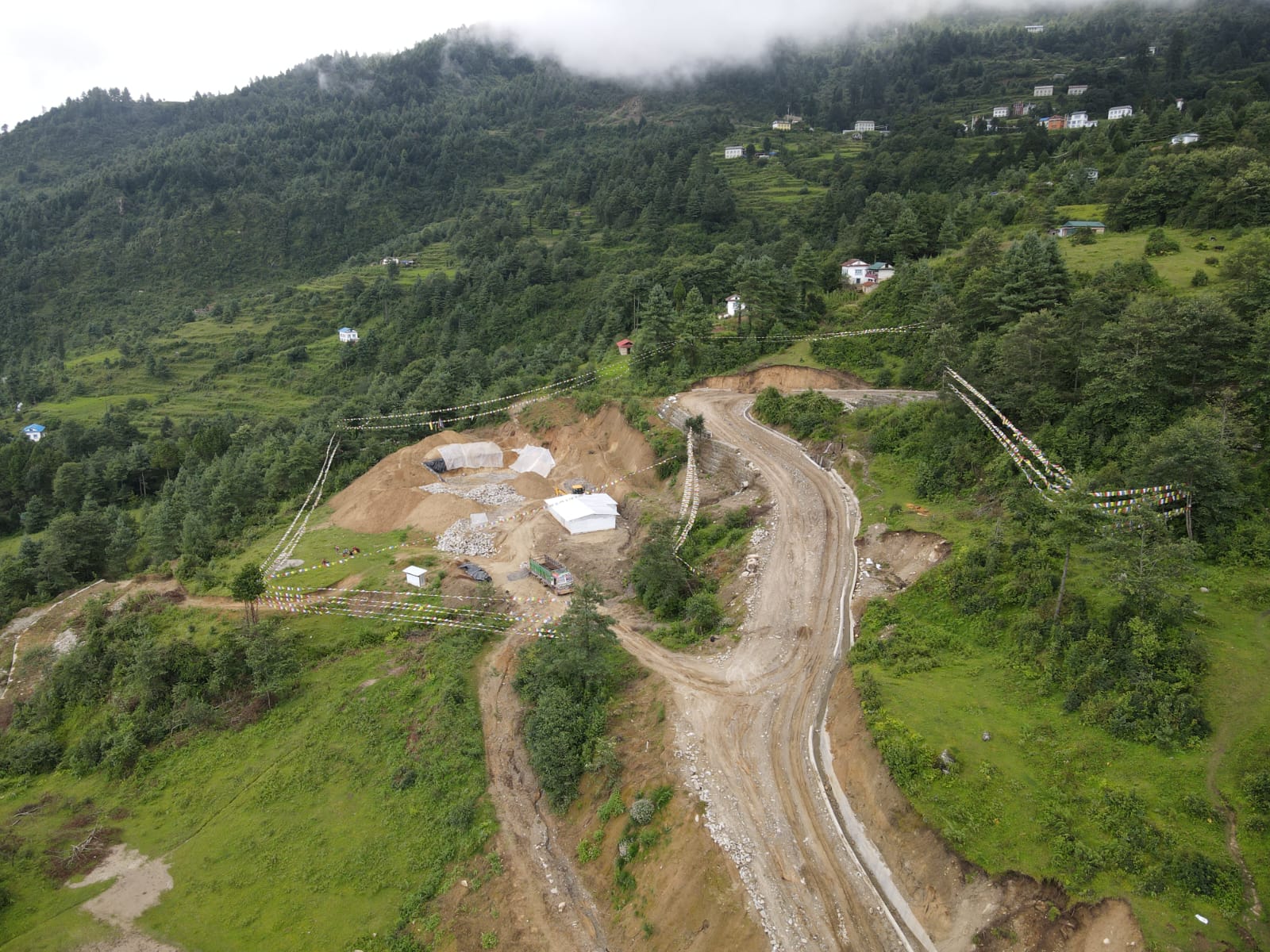
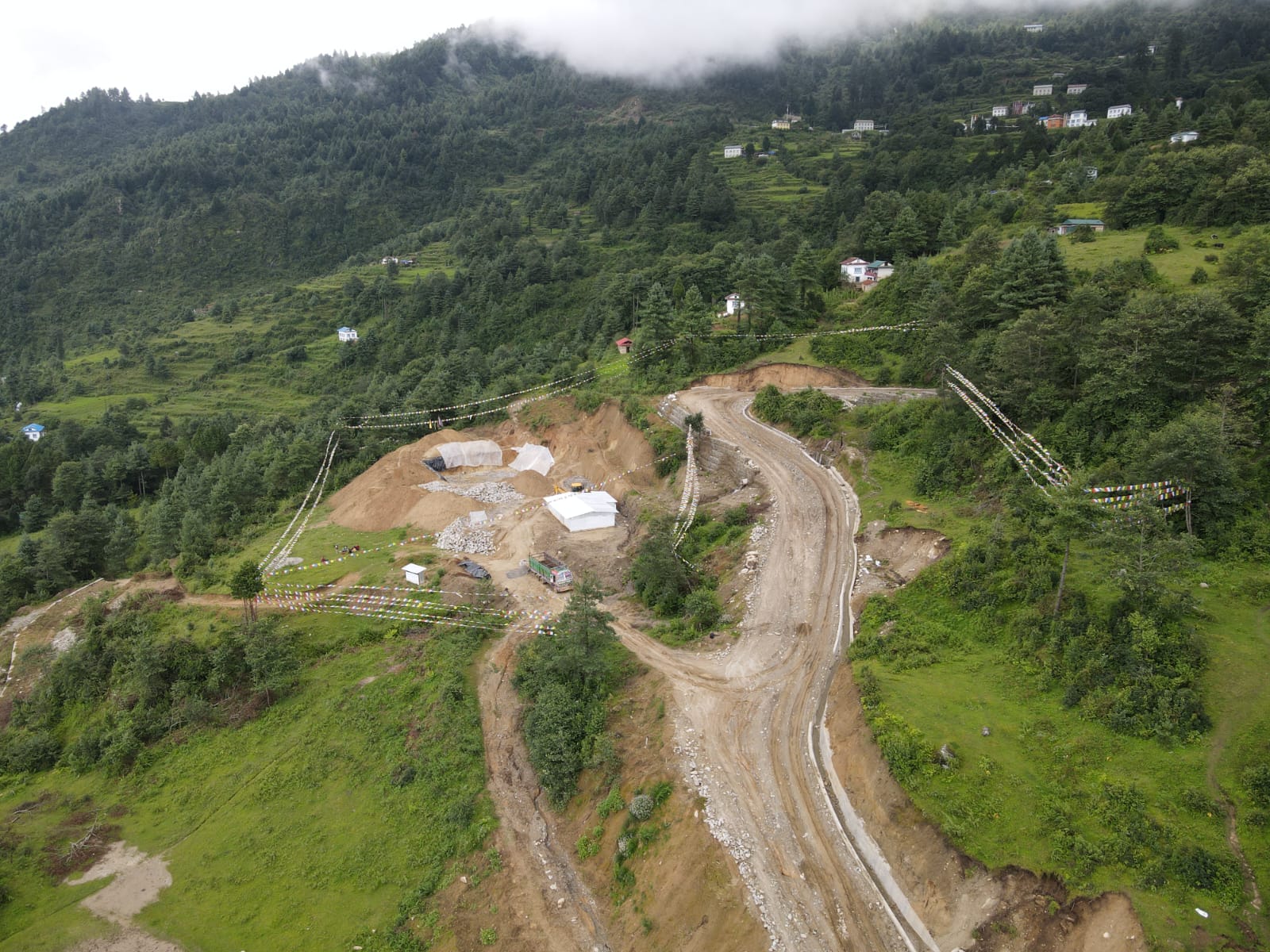
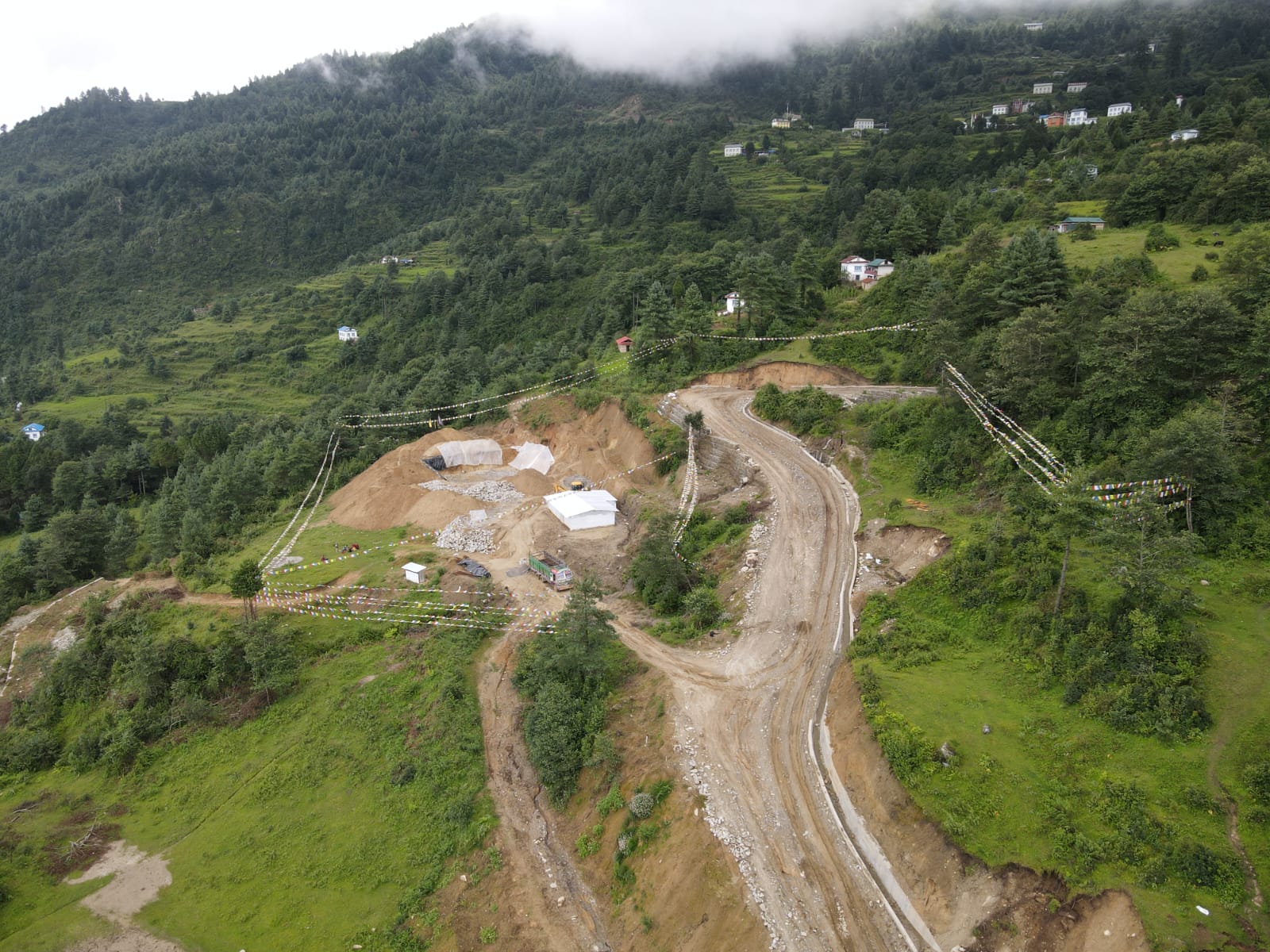
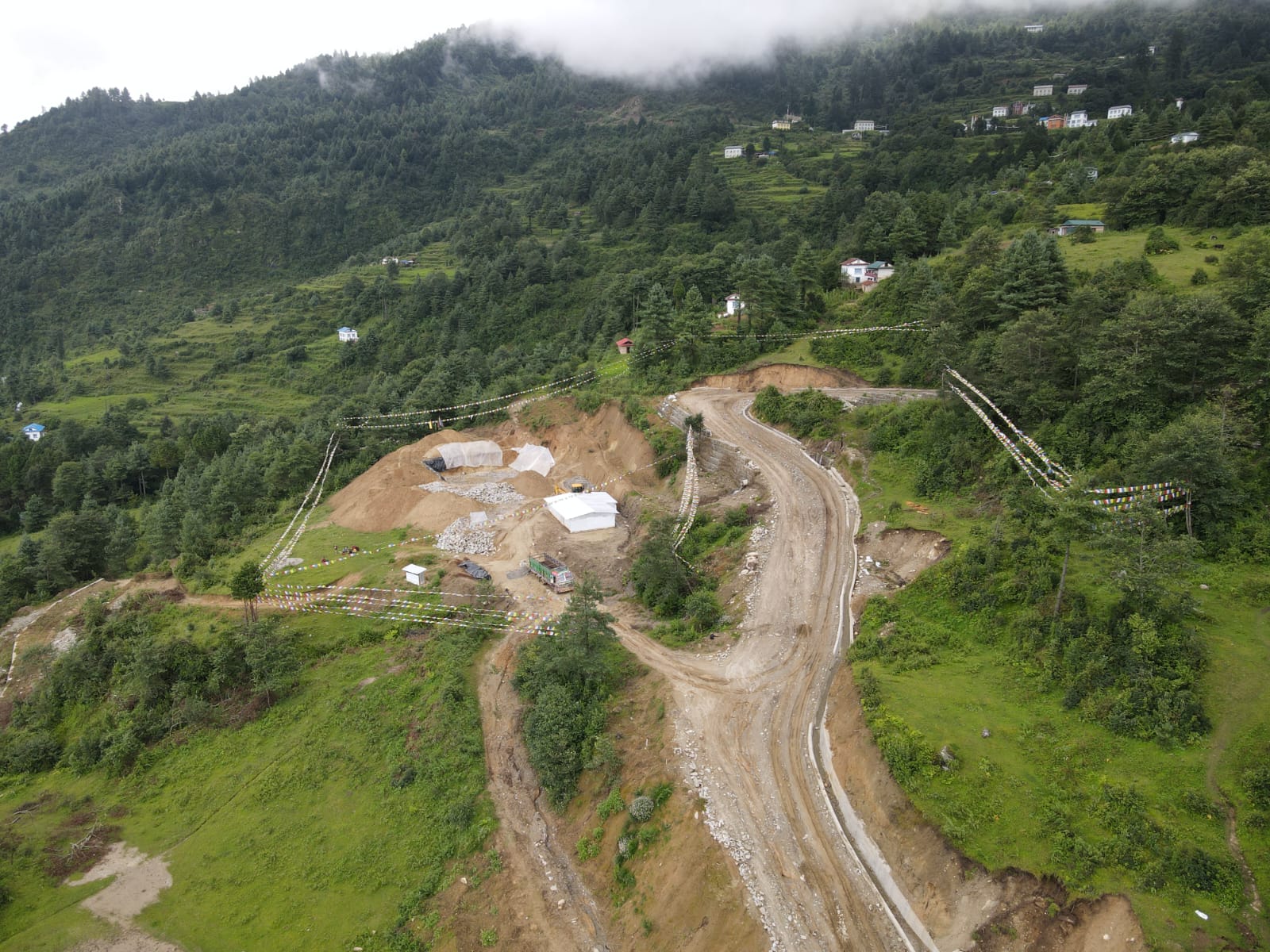
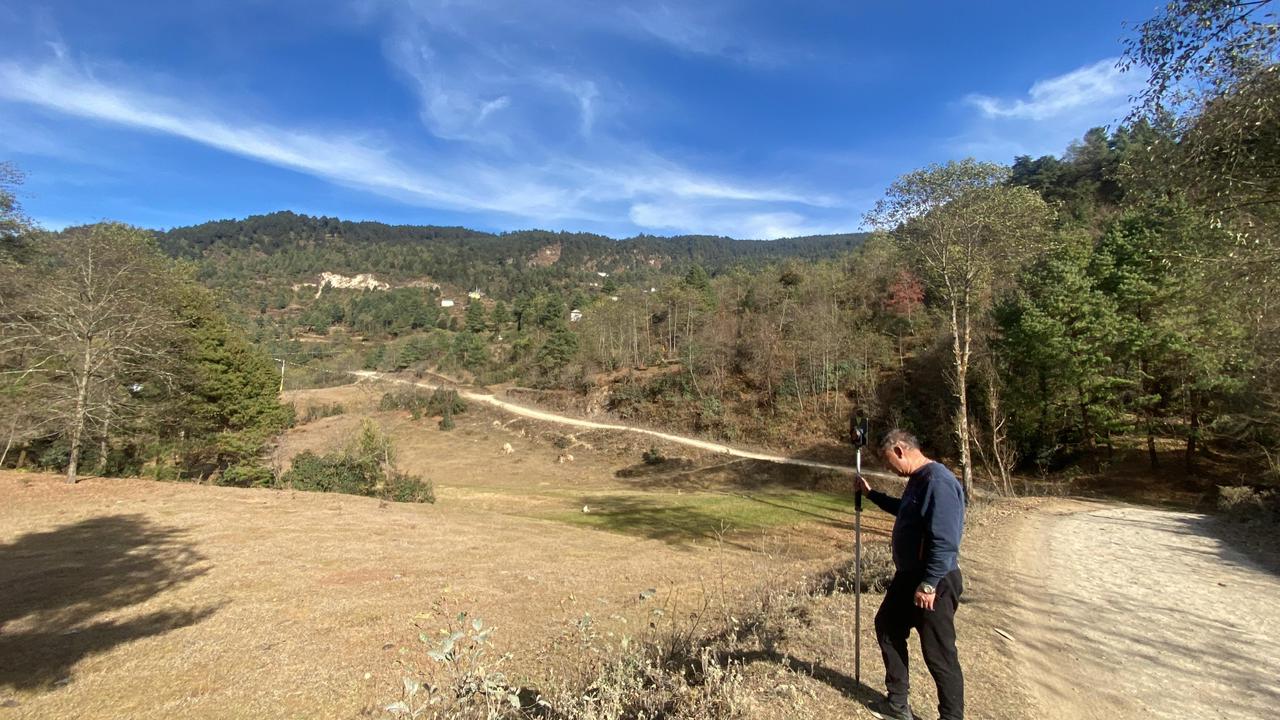
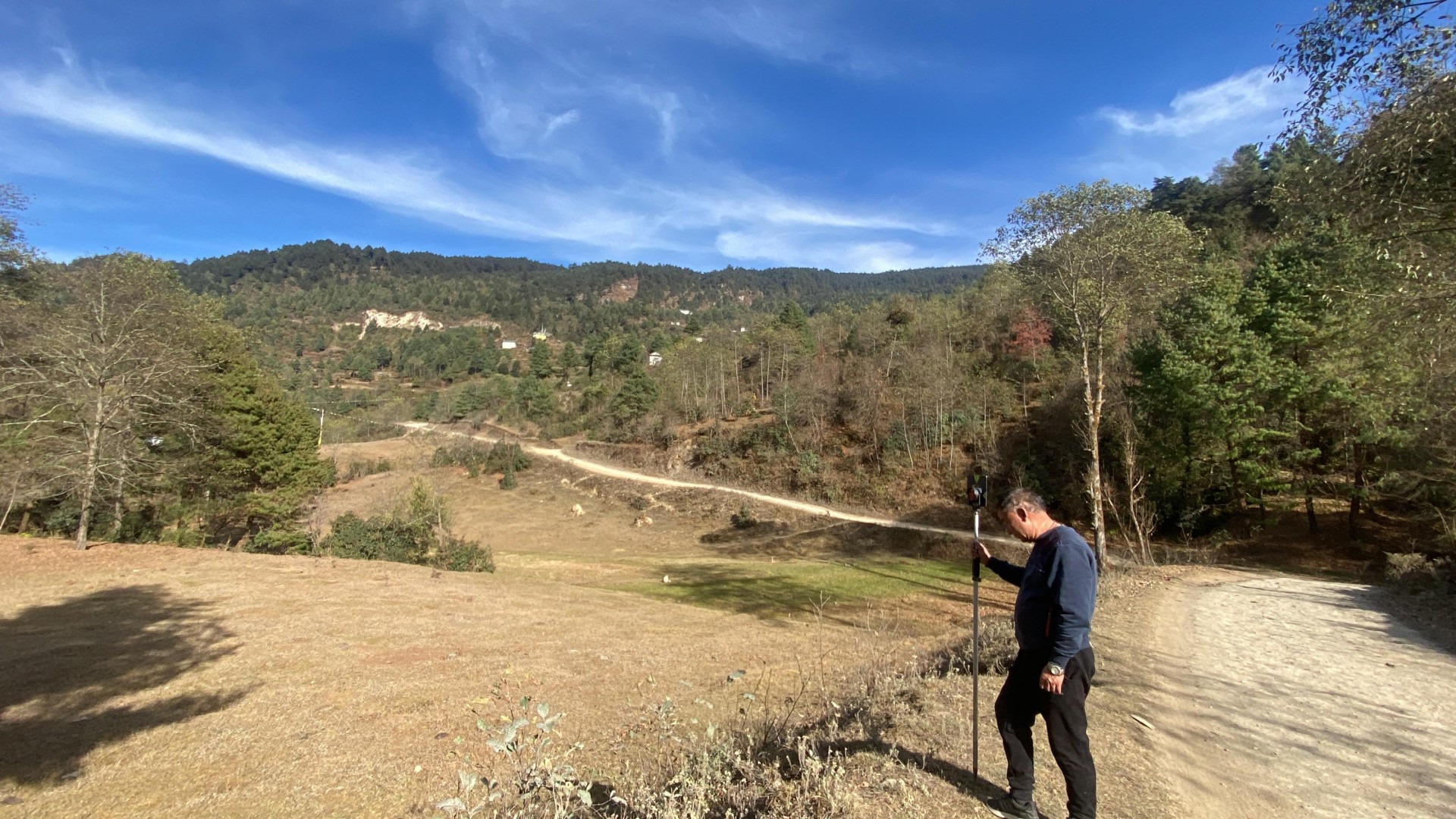
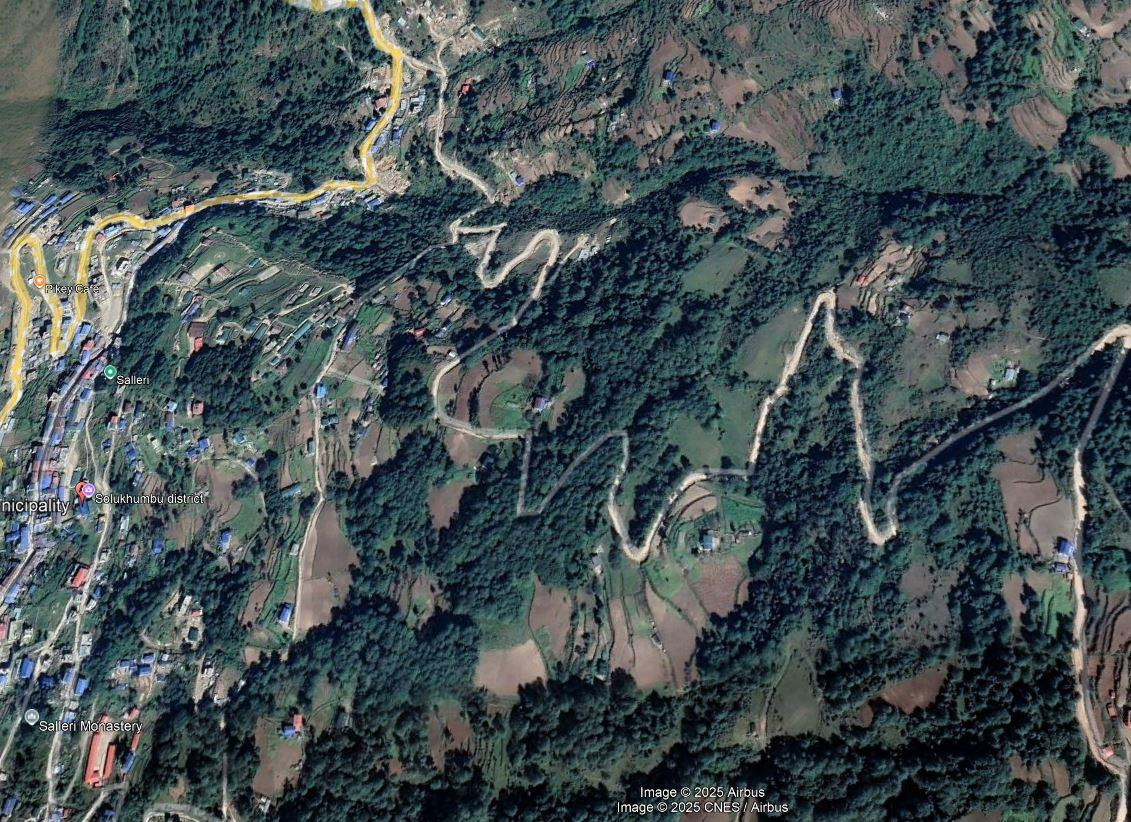
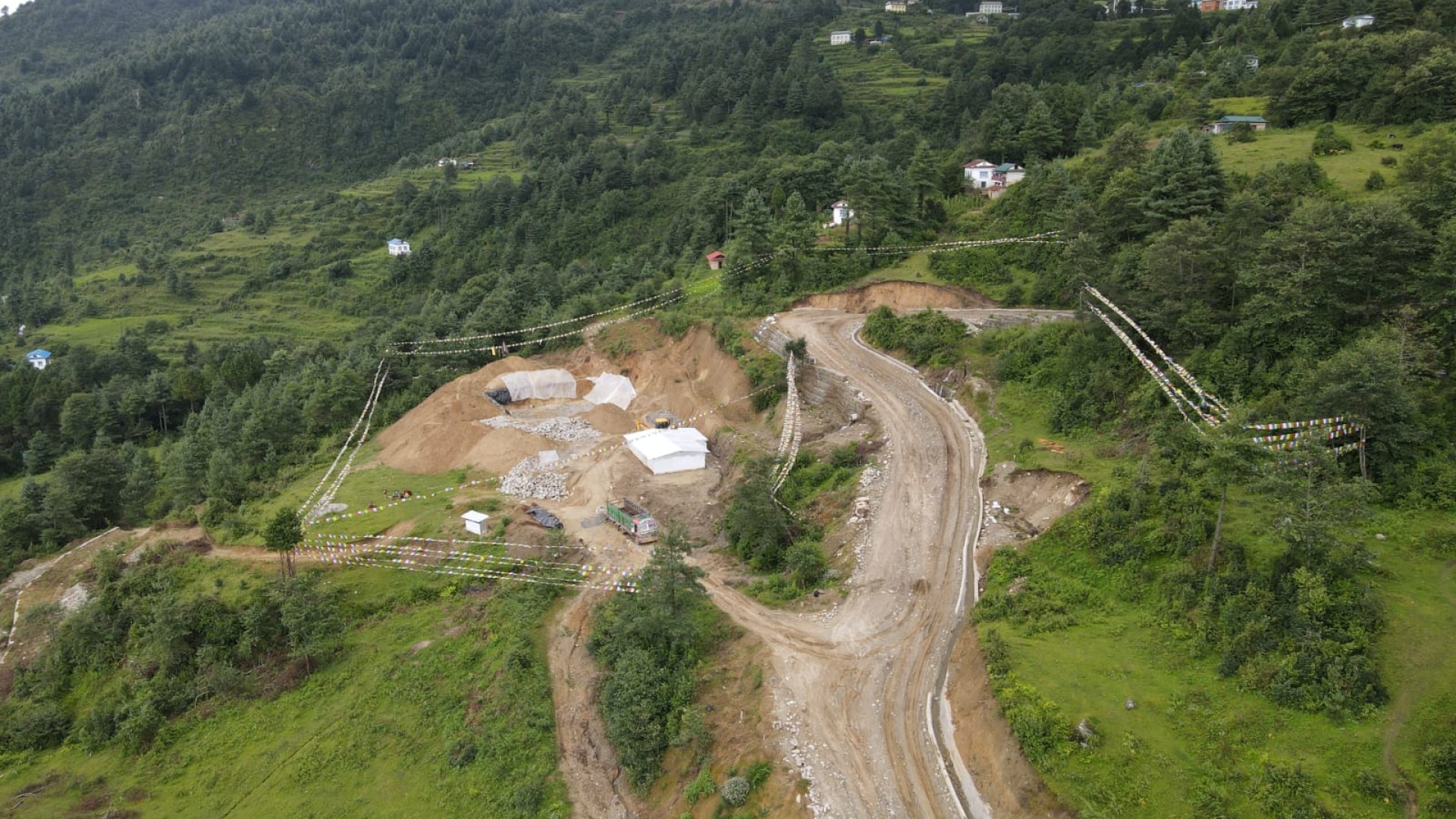
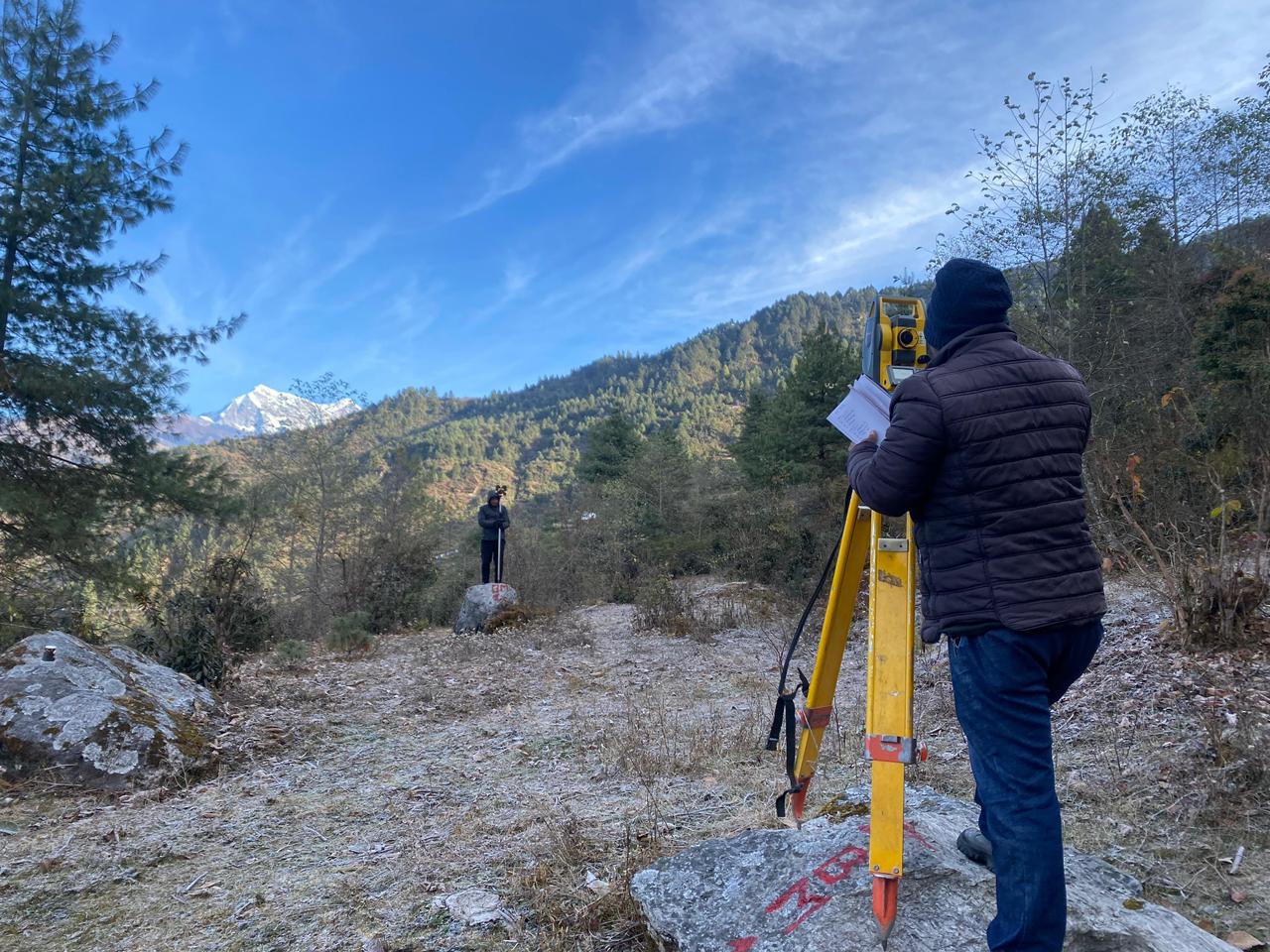
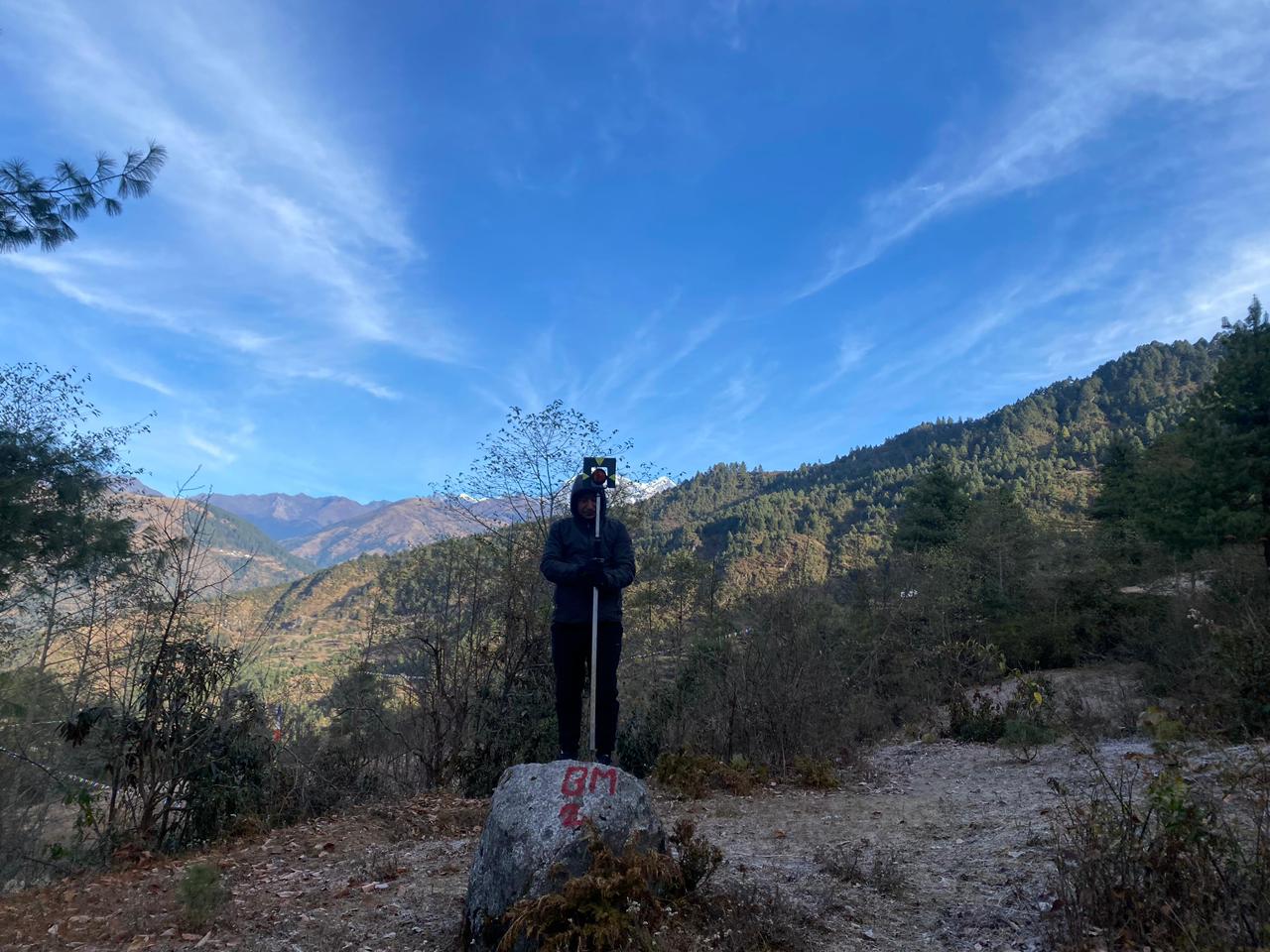
This section should clearly document the current condition of the site — including land photographs, location mapping, access road, hillside topography, natural surroundings, and the present character of the property before future development.

Project Site

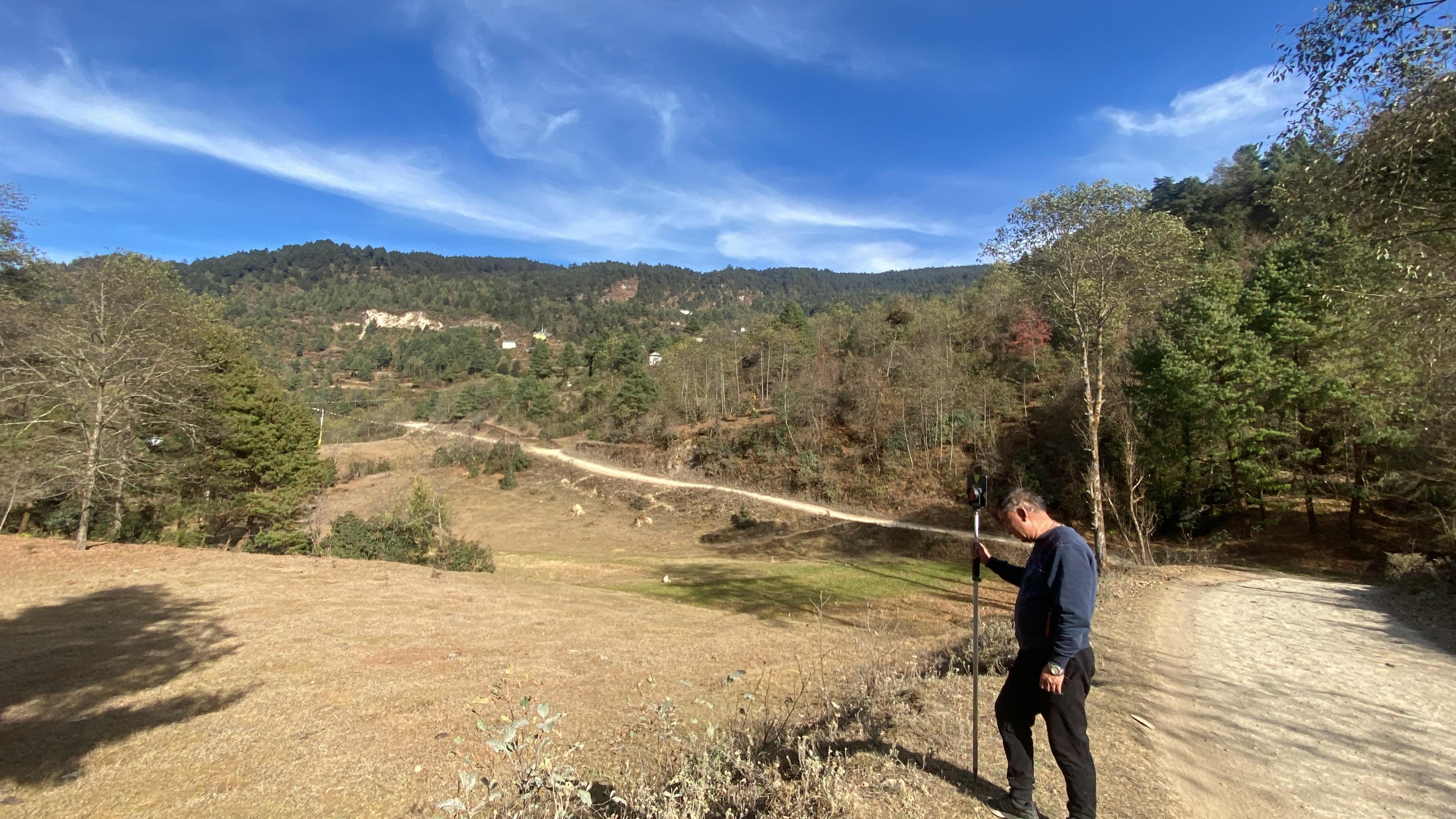
Site Survey

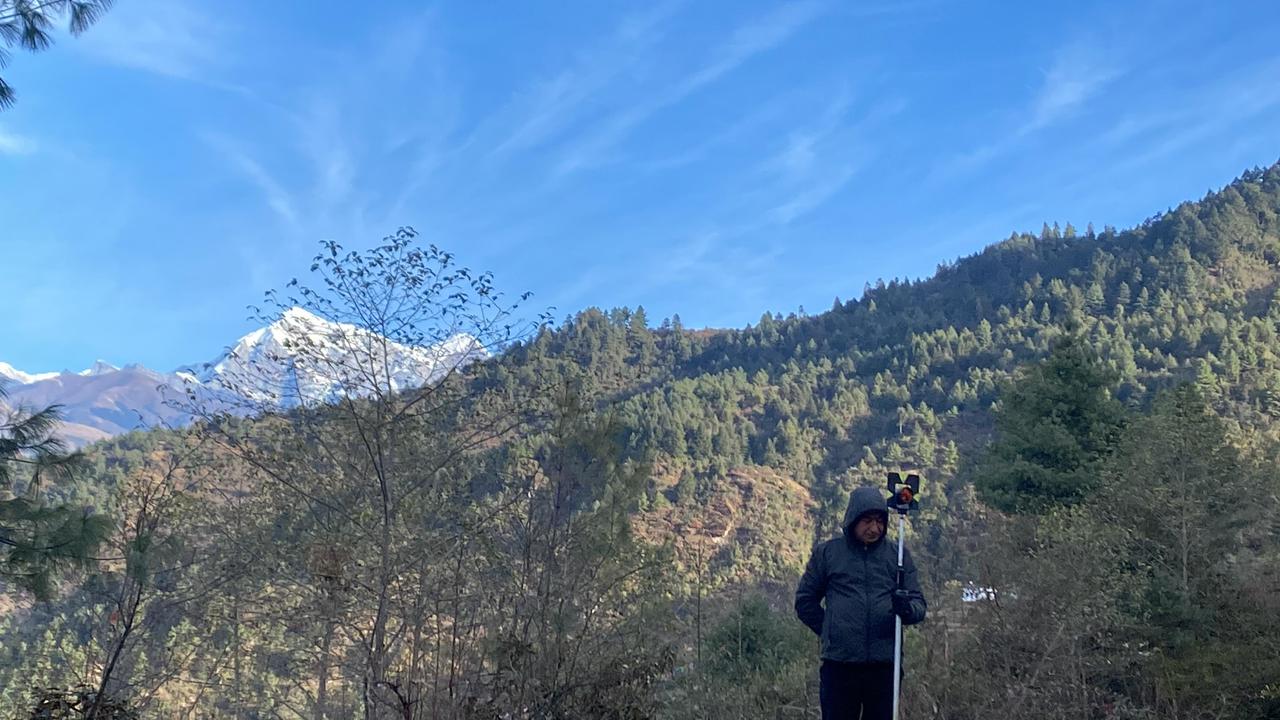
Photos of the Site during the survey

The Vision in Design

From existing land to a future architectural icon rooted in sacred symbolism.

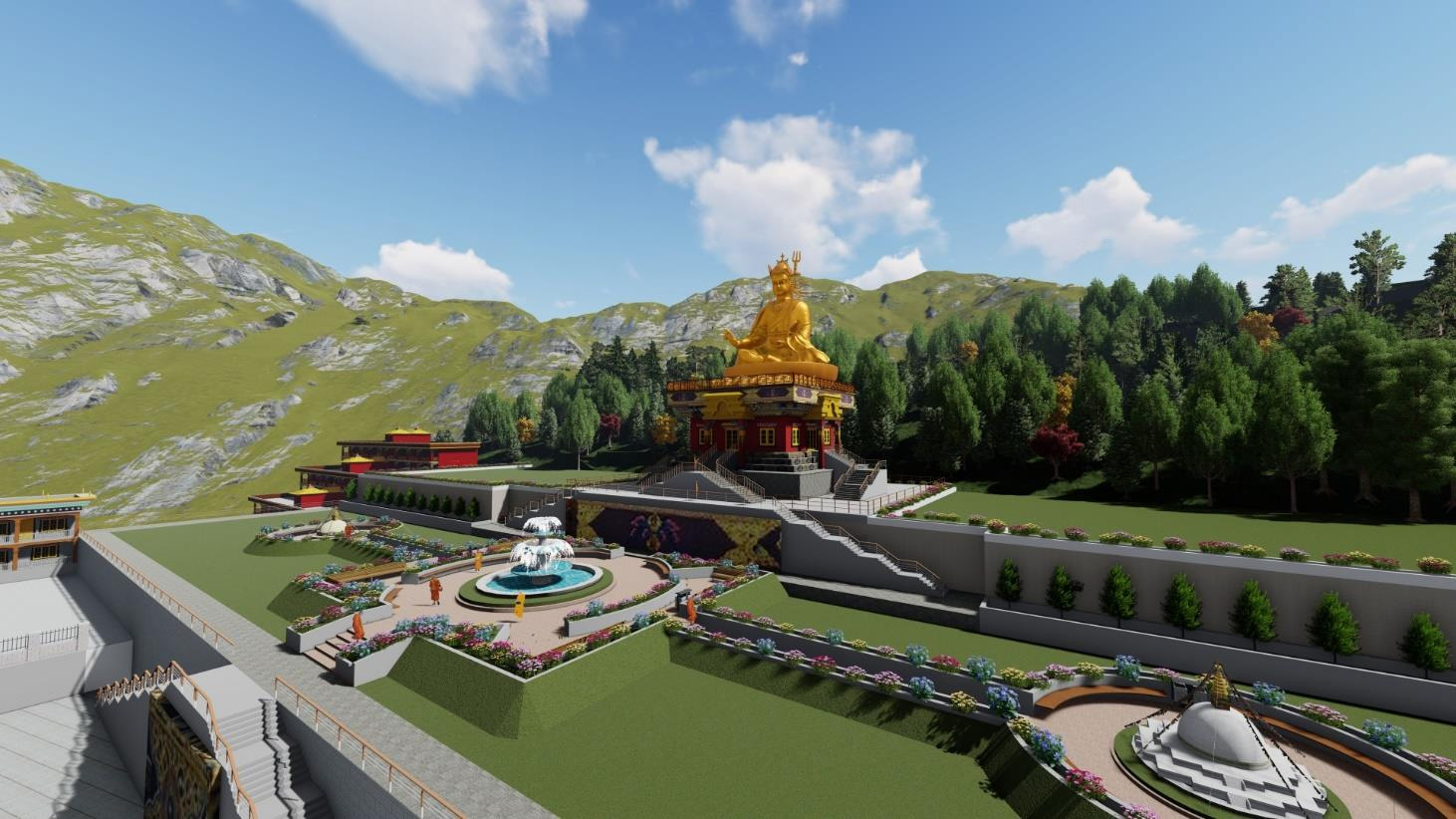
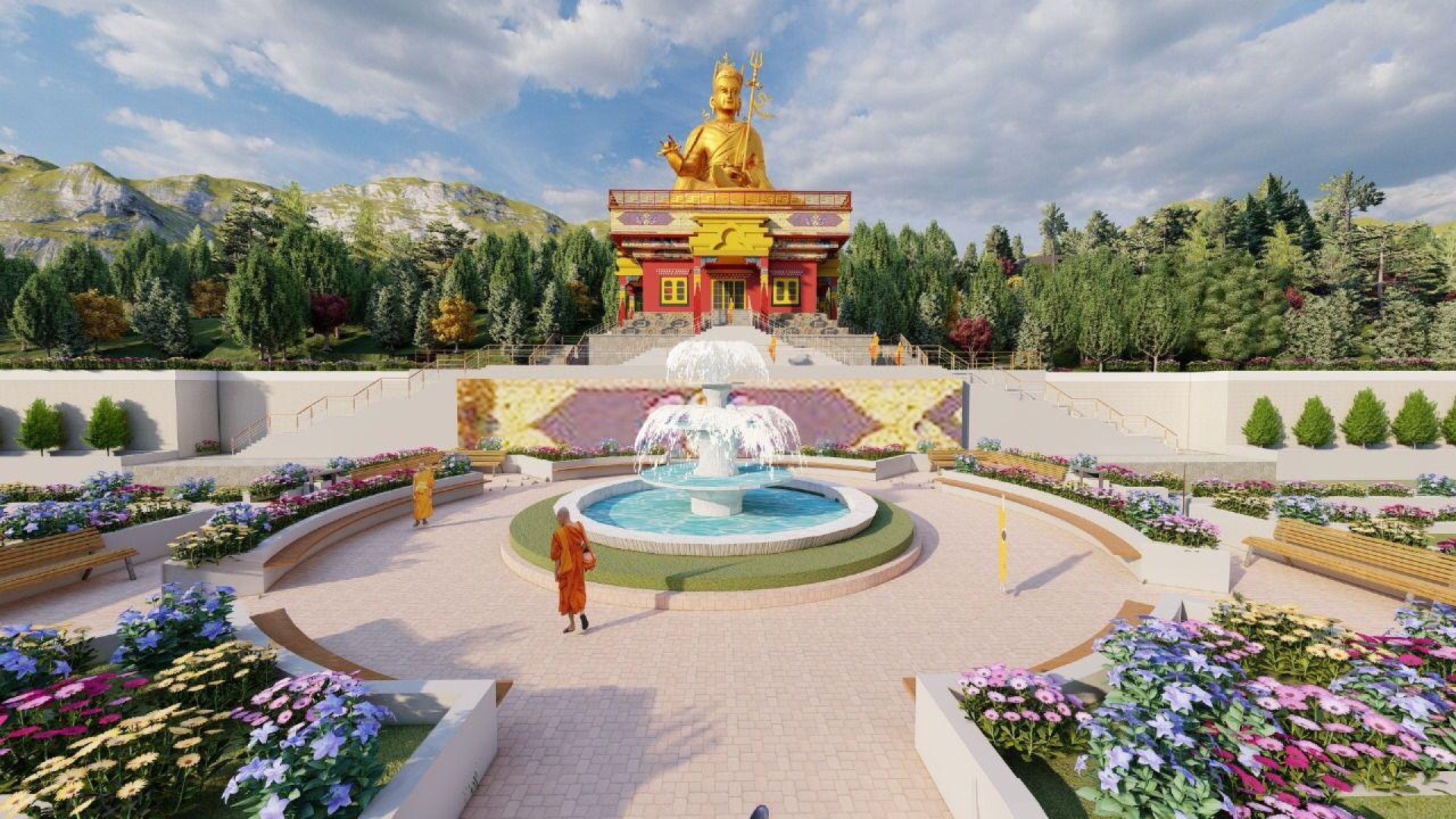
The design imagines the site as a landmark that integrates sacred symbolism, landscape orientation, ceremonial procession, and public use into one coherent spiritual destination.

The statue is positioned in relationship to the mountains and the village. Arrival is dignified and processional, with a grand stair, contemplative movement, public hall functions, and circumambulation space all supporting spiritual experience and civic use.

Statue oriented toward mountains and village presence
Ceremonial arrival sequence and grand staircase
Meditation / public hall as a community and teaching core
Circumambulation and movement designed as lived experience

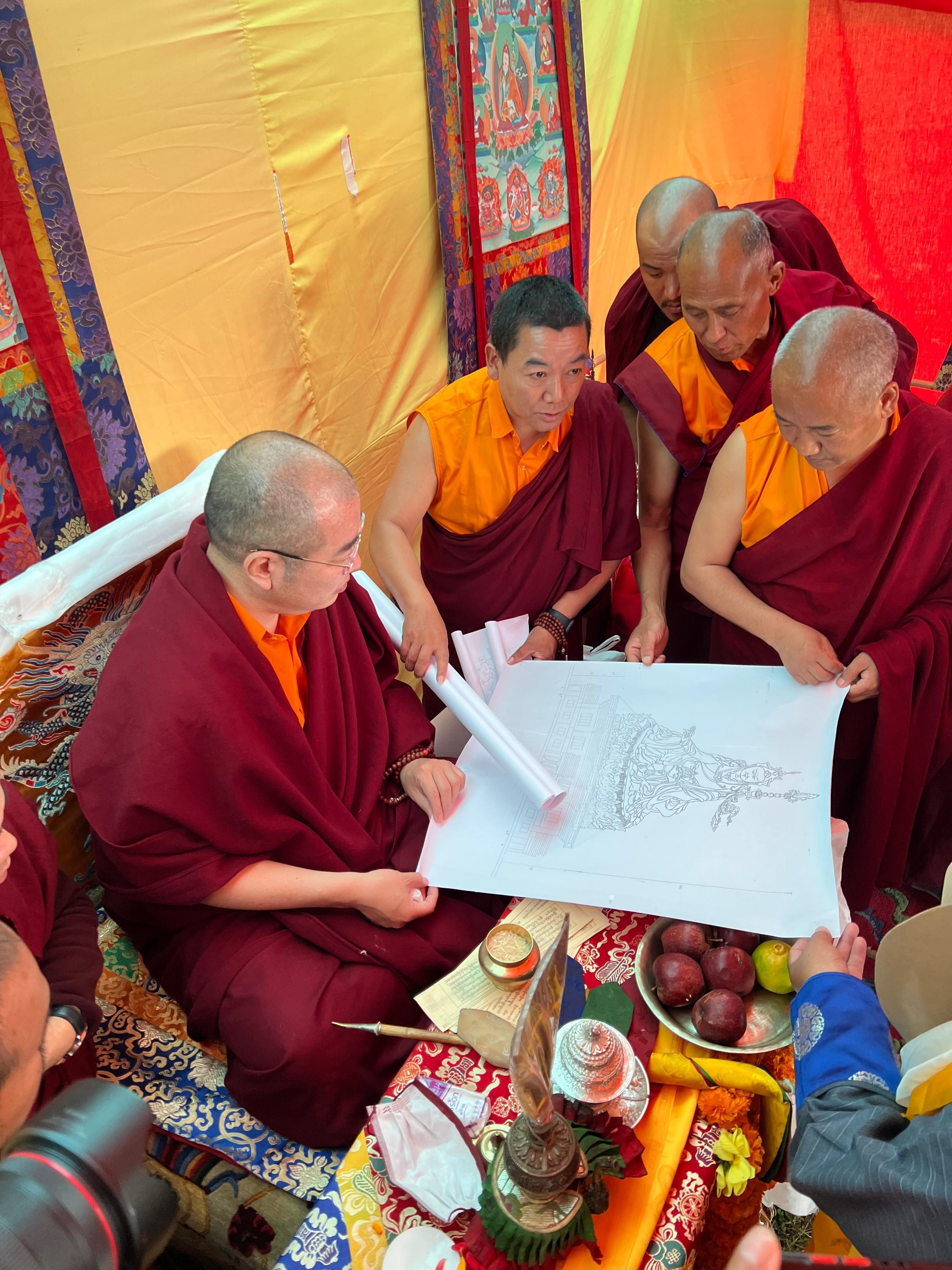
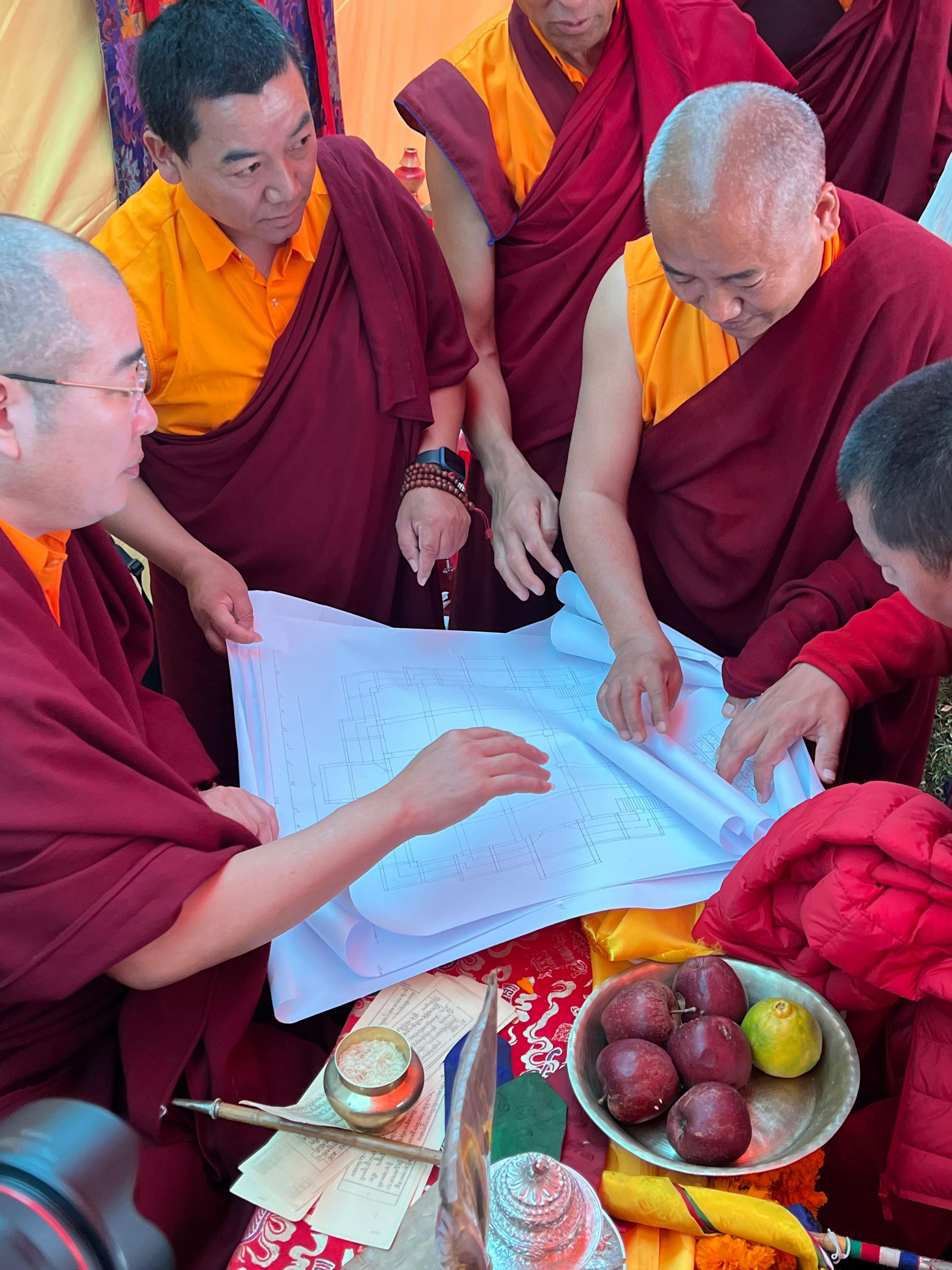
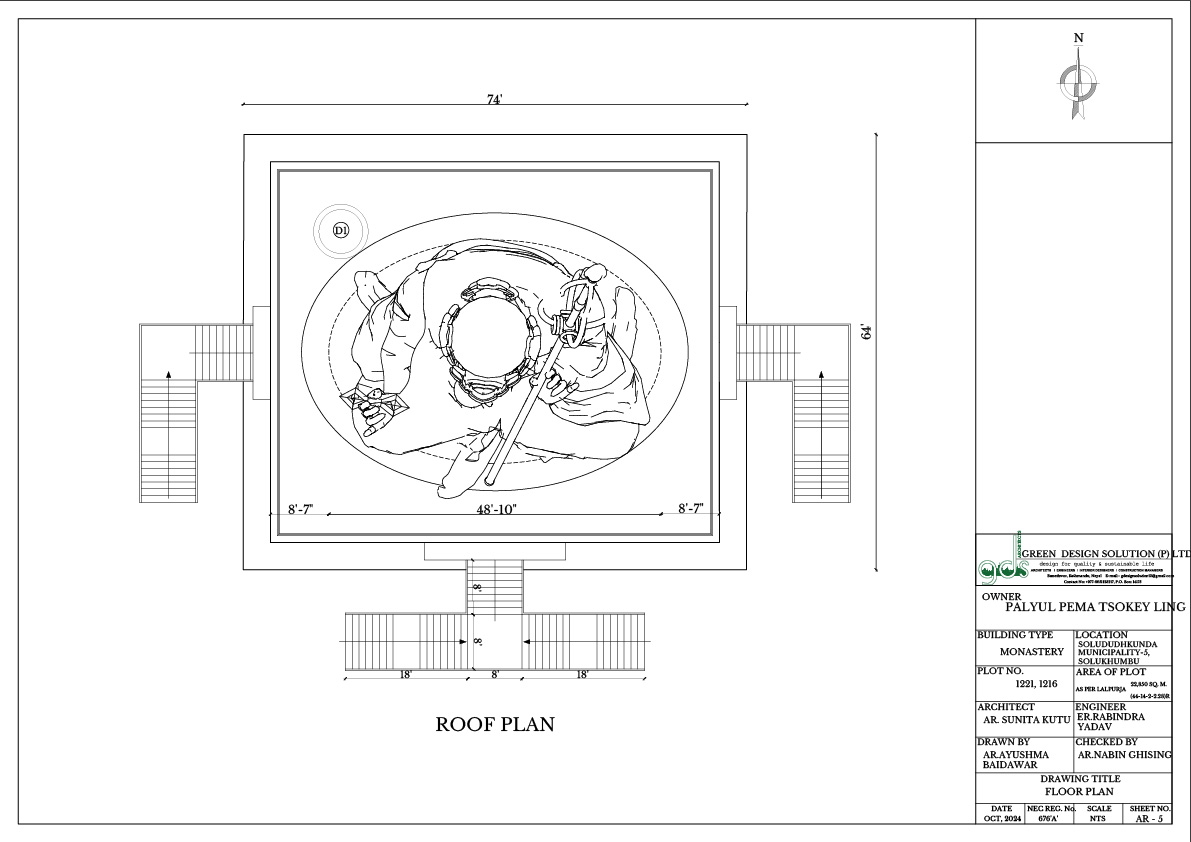
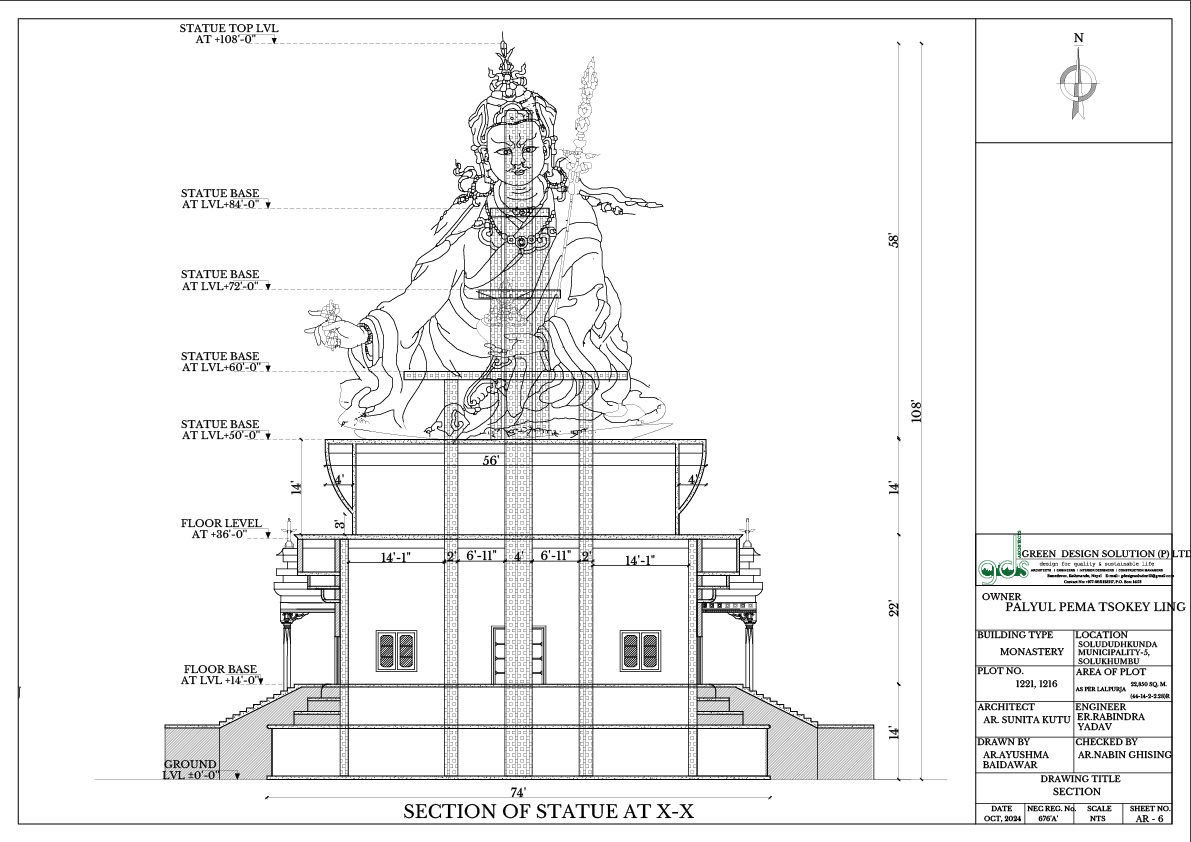
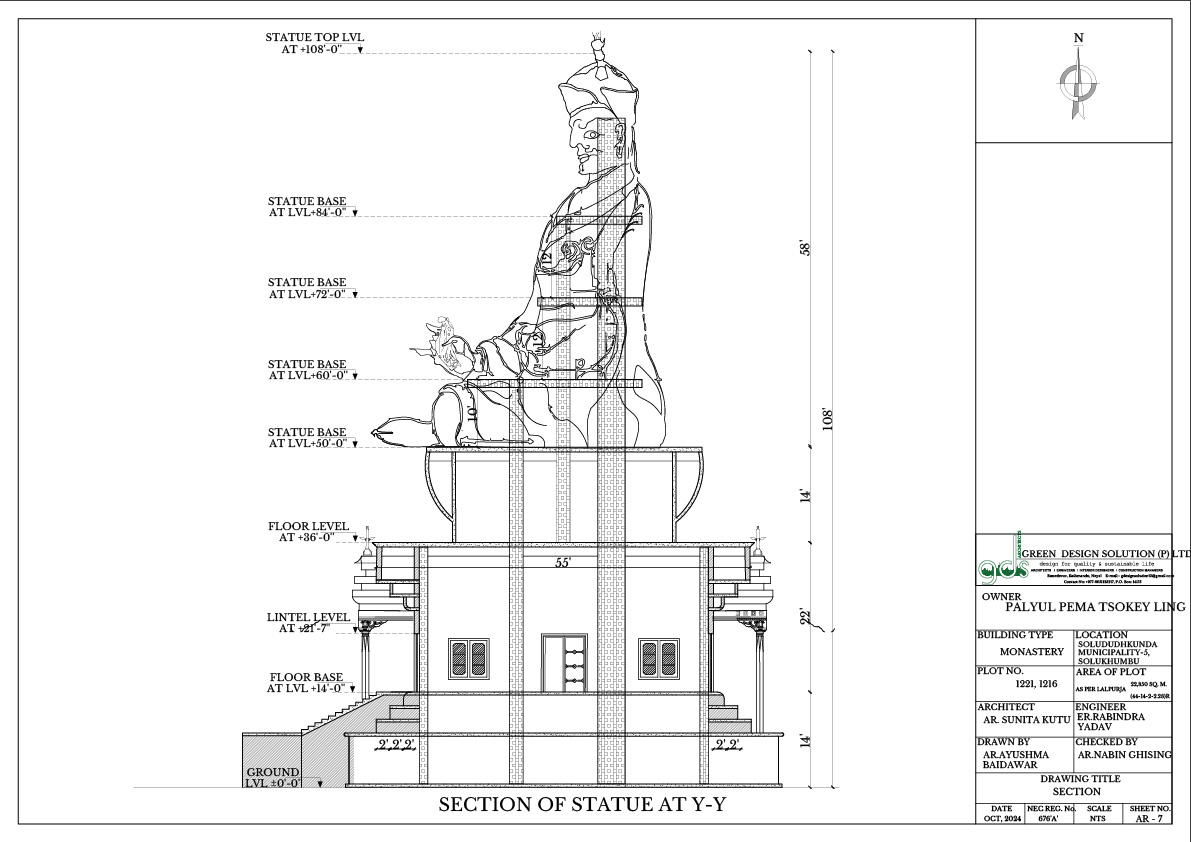
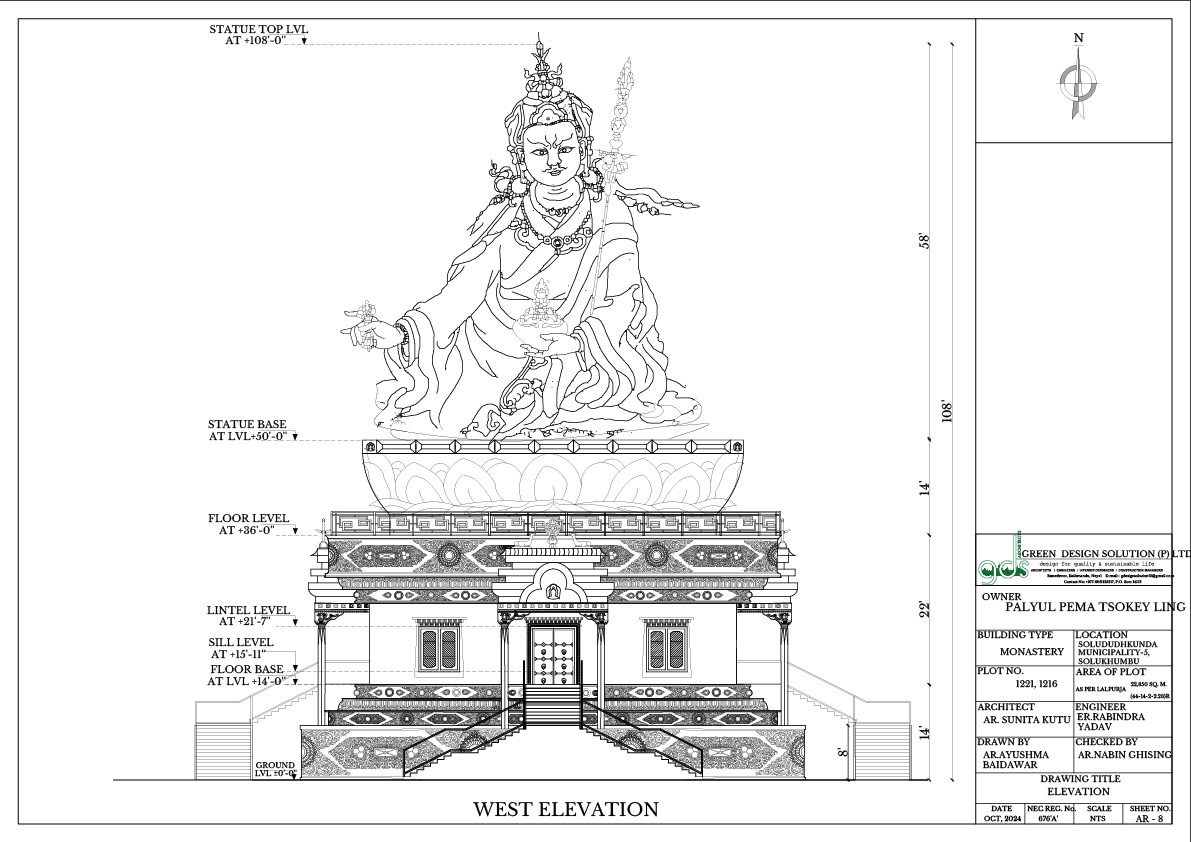
Architectural Drawings and Plans

Blueprint-like presentation of the proposed master plan and technical vision.

This section should distinguish the future vision through master plan drawings, floor plans, sections, elevations, hall layouts, entrance gate design, structural references, and perspective visuals.

Main Components of the Master Plan

A structured site framework designed for phased spiritual and institutional growth.

Guru Rinpoche Statue + Hall

The sacred centerpiece with community, meditation, and teaching functions below.

Entrance Gate

A ceremonial threshold marking arrival, identity, and transition into the sacred site.

Parking Area

Visitor and event access support integrated into the overall approach strategy.

Landscaped Open Space

Movement, gathering, reflection, and visual breathing room across the site.

Future Academic Block

Space for longer-term educational and institutional expansion.

Kitchen and Dining Block

Shared support infrastructure for programs, guests, and community activities.

Hostel Block

Accommodation support for learners, volunteers, and visiting participants.

Pilgrims’ Residence Blocks

Future residential support for pilgrims and extended spiritual stay.

Monument and Hall Overview

Scale, monumentality, and architectural presence expressed through clear project figures.

Solukhumbu has been recognized since ancient times as a sacred Himalayan region deeply connected to Buddhism and Guru Padmasambhava. The establishment of this grand statue on this holy land is truly a blessing for all. During his time, he created only five statues, one of which is located in Solukhumbu.

108 ft.
Statue Complex

Total project monument scale as a major sacred landmark.

58 ft.
Copper Statue

The main Guru Rinpoche figure forming the sacred focal point.

14 ft.
Lotus Seat

Monument base expressing symbolic elevation and visual grounding.

36 ft.
Two-Storey Hall

Community, meditation, and teaching hall beneath the sacred structure.

Tourism, Community, and Cultural Impact

A destination with spiritual depth and meaningful local benefit.

Pilgrims and Visitors

Attract pilgrims, peace seekers, travelers, and visitors interested in spiritual and cultural experience.

Buddhist Tourism Circuits

Strengthen the region’s place in wider Buddhist tourism and pilgrimage networks.

Programs and Gatherings

Support festivals, meditation programs, seminars, celebrations, and educational exchange.

Local Livelihood Benefit

Create value for hotels, agriculture, guiding, transport, crafts, and the surrounding local economy.
Timeline and Implementation

Phased development guided by funding readiness and long-term delivery.

Phase 01

Core Planning

Design development, technical coordination, budgeting, and implementation preparation.

Phase 02

Priority Works

Boundary wall, entrance gate, and core hall elements targeted within the near-term development cycle.

Phase 03

Sacred Monument Works

Statue, lotus seat, and associated landmark components delivered in a funding-linked progression.

Phase 04

Long-Term Expansion

Academic, residential, service, and pilgrimage-support blocks developed over the broader 15–20 year horizon.

Core hall, boundary wall, and entrance gate are targeted by 2026, subject to phased implementation and budget-linked delivery.

Long-Term Potential

A future spiritual and institutional destination with room to grow gracefully over time.

Educational expansion
Pilgrimage support
Residential support
Community use
Landscape growth

The master plan is designed not only for an initial sacred landmark, but for a longer future of learning, accommodation, service, landscape maturity, and wider spiritual relevance in Solukhumbu.

A Landmark for Generations to Come

Faith, design, community value, and regional significance brought together in one enduring destination.

This project brings together peace, learning, spiritual practice, architecture, and shared benefit — shaping a destination intended to serve both present community and future generations.

Support the Vision

Join in helping build a spiritual, cultural, and community landmark in Solukhumbu.

A place of peace, prayer, learning, and shared benefit for generations to come — supported through trust, collaboration, and long-term commitment.

Monks walking in the mountains

Build the Future

This monument is being built entirely through the generosity of benefactors. Join us in creating a lasting legacy of merit.

Learn More   
Monks walking in the mountains

Journey To Solu

Experience the profound silence of the Himalayas. We offer guidance for pilgrims wishing to visit the holy site and participate in upcoming retreats.

Support the Vision
Help us build a Sanctuary of Peace

Your donation supports our monastery, preservation work, and community projects - bringing benefit to all sentient beings.

Download brochure